Diagnostics and repair
Experienced technicians look the appliance over before they suggest any work. OEM parts can be ordered, and the correct part is matched to your model.
The care journal
Short routines that keep a Kenmore appliance in good shape: filters, cleaning and the parts you can safely reach.
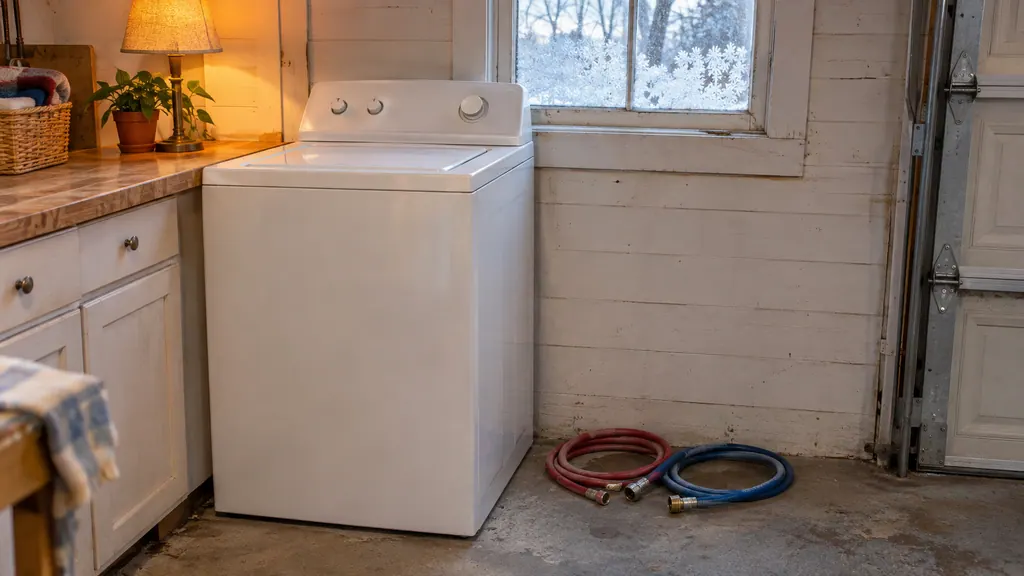
For storage or a move in freezing weather, turn off the water, drain the hoses, put RV antifreeze in the drum, run the short spin the guide names, unplug it and keep the washer upright. The amount is 1 gallon on the 796 and 1 quart on the Calypso and 110 front-load, so check your own guide first.
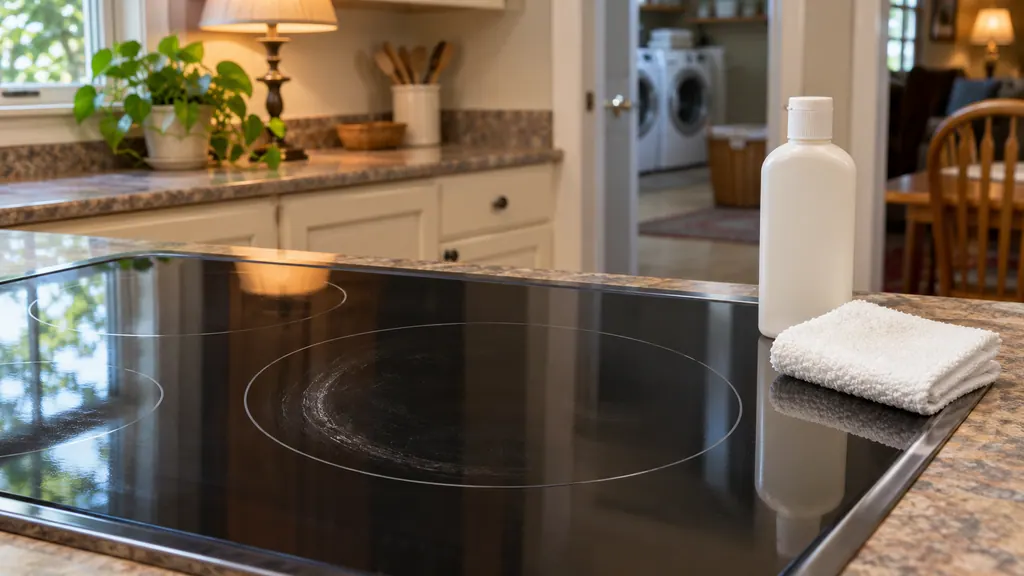
Clean a Kenmore glass cooktop only when it is cool, with the ceramic-glass cooktop cleaning cream and a non-scratch pad. Remove metal marks soon, scrape burned-on spills with a razor scraper at a shallow angle, and never use bleach, ammonia, oven cleaner or foil. Sugar and plastic are the exception: scrape those at once.
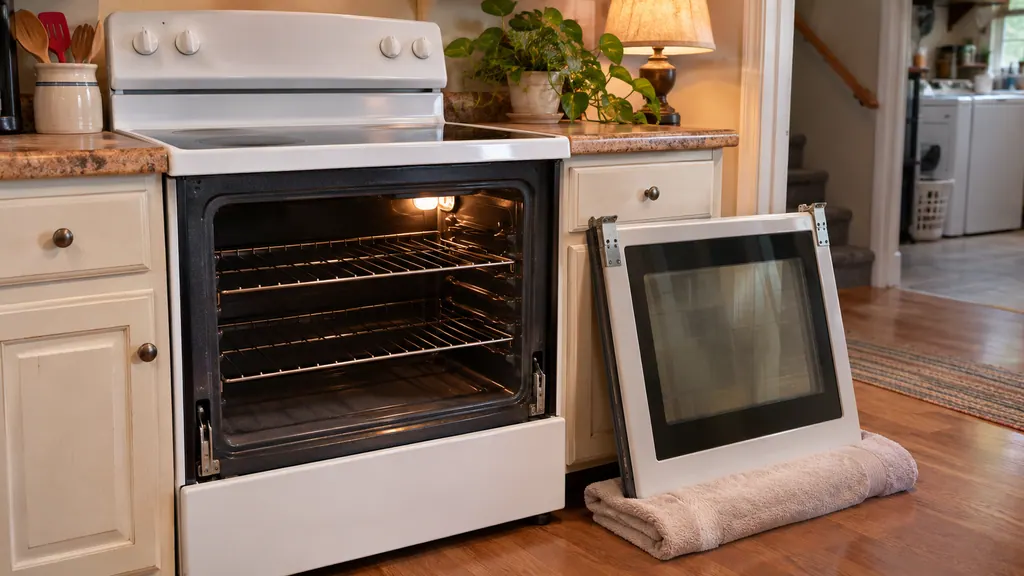
Kenmore's four 790 range guides use four different door-removal methods, so use the one in your guide. All of them say the door is heavy, to hold it by its sides and to lay it flat with the inside face down. Do not force a door that is locked after self-clean; wait for the light to go out.
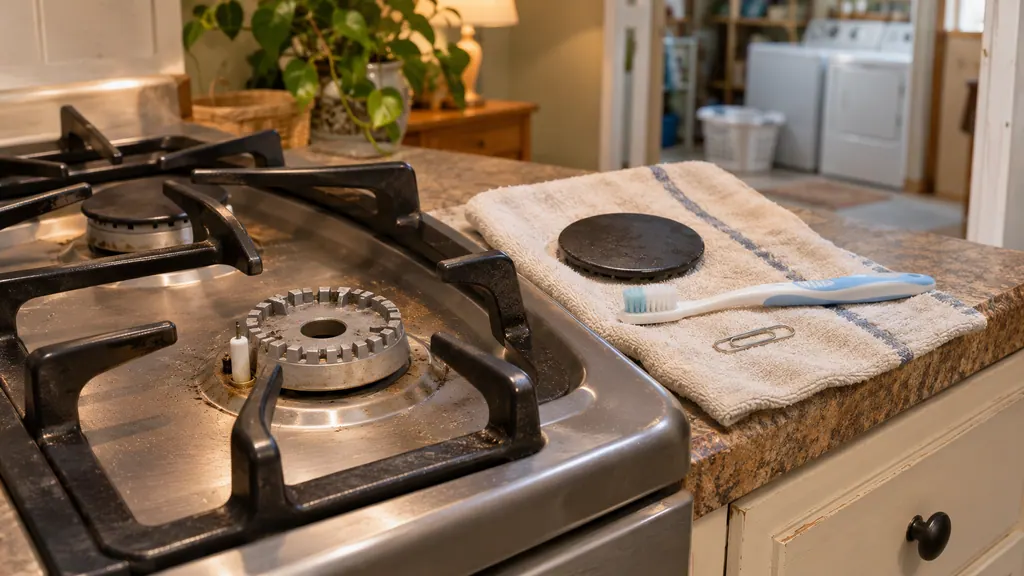
After a spill, let the burners cool, lift off the caps, clear the slots with a soft brush and the small ignition port with a paper clip end, dry everything, and seat each cap so it sits level and centered. A steady, mostly blue flame means the burner is clean and the cap is right. Smell gas, and you stop and follow the safety steps.
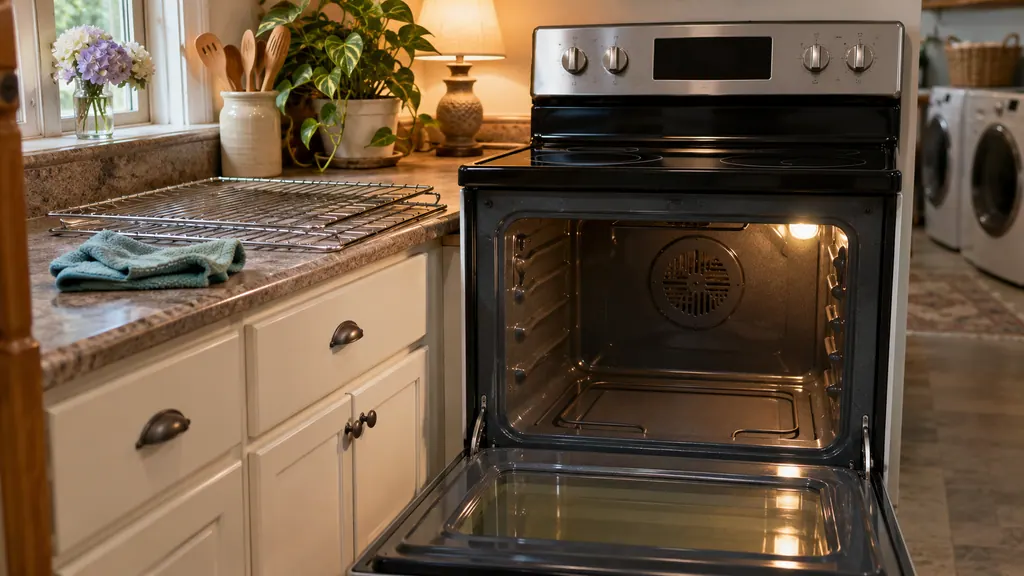
A Kenmore self-clean cycle locks the door and burns soil to ash at very high heat. Before it, empty the oven, wipe big spills and hand-clean the frame. Expect some odor and smoke. Afterward, wait about 1 hour until the lock light goes out, then wipe the ash. Book a visit if it will not run or an F code returns.
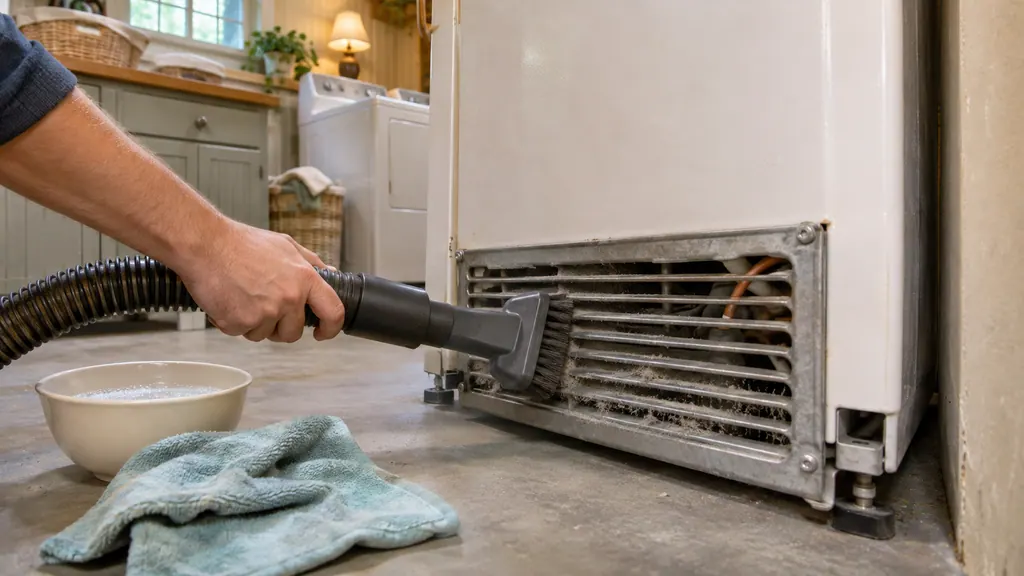
Two jobs keep a Kenmore 795 refrigerator running as it should: vacuum the condenser cover and vents with a brush attachment, never removing the panel, and wash the door gaskets with mild detergent in warm water. Do both with the power disconnected.
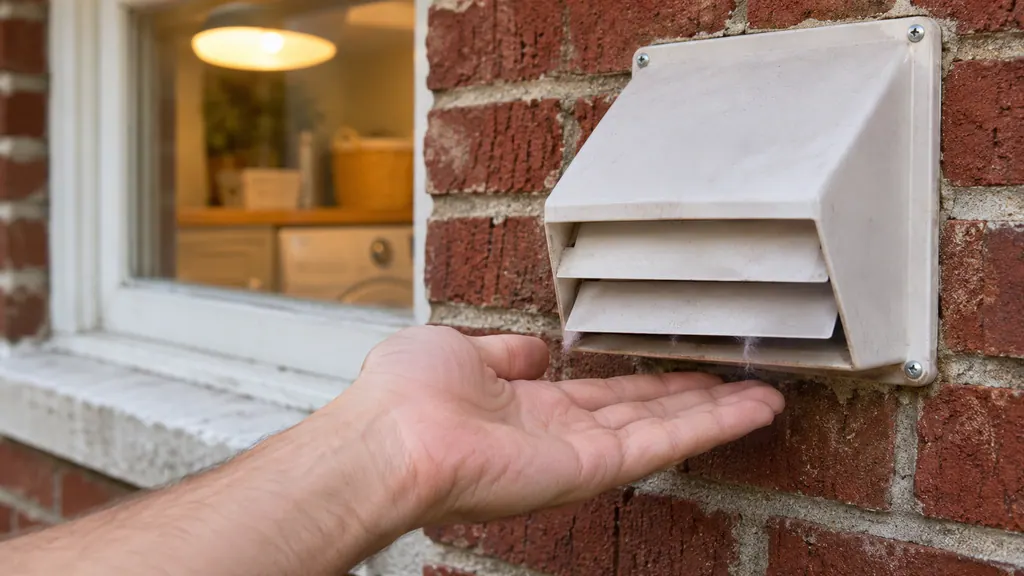
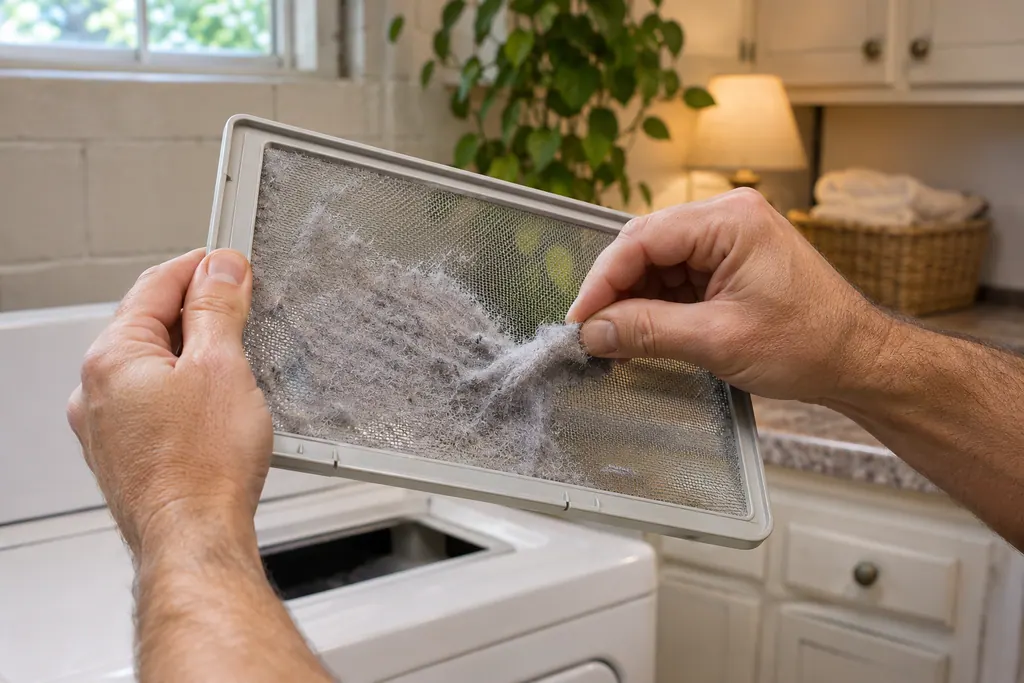
Clean the lint screen before every load, run the dryer for 5 to 10 minutes and hold your hand under the outside exhaust hood. No air means the vent is blocked, so clean the run or replace plastic or foil vent with metal. Kenmore guides call poor venting the most common dryer problem.
Fold back the lip of the gasket and wipe every surface with the diluted bleach mix, then dry the gasket and glass and leave the door ajar on its magnet.
Read the full sequence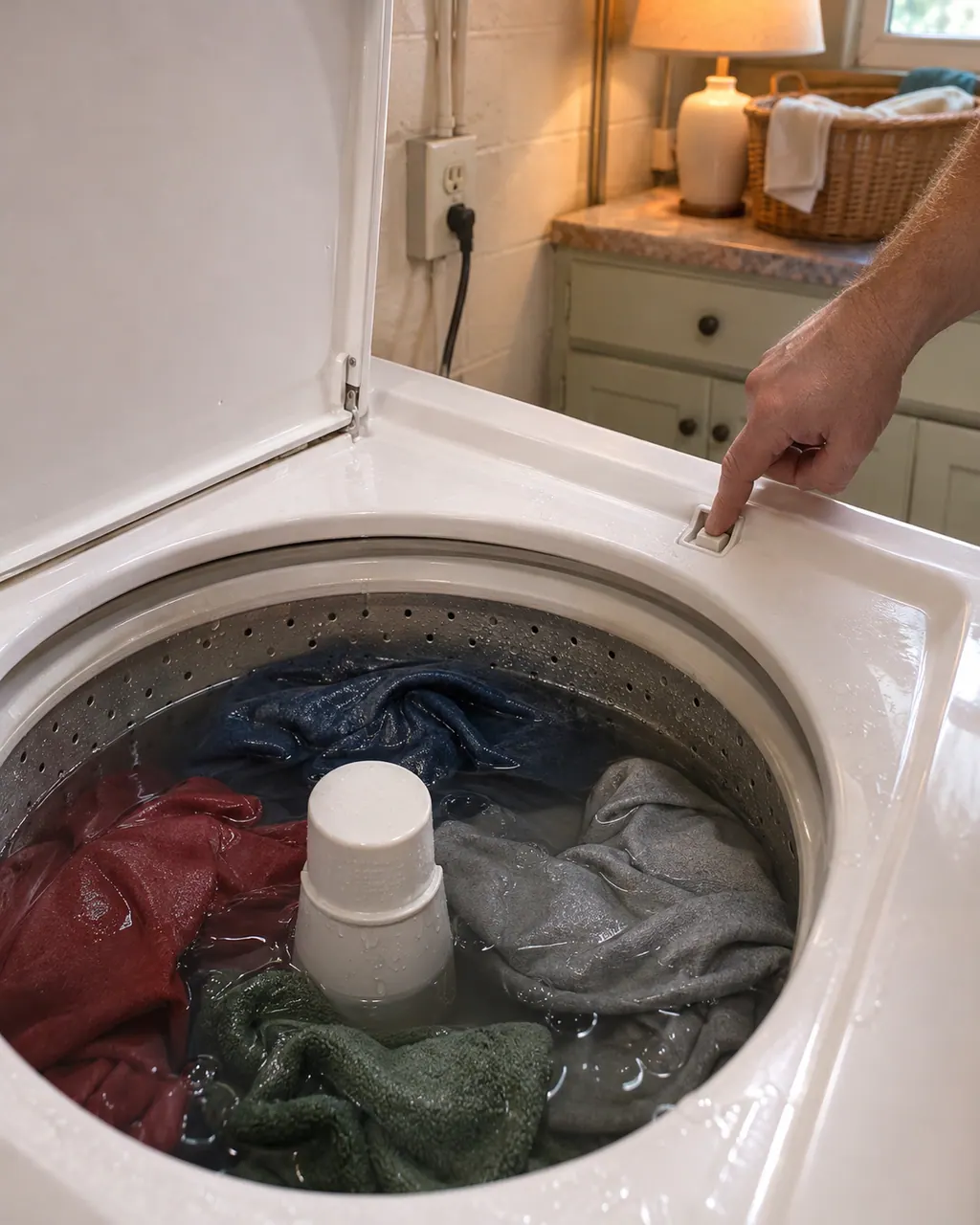
Start with what the display and the lid or door say. A Kenmore washer will not spin until the lid or door is latched, and an out-of-balance load, a slow drain or too many suds can each hold the spin back. Rebalance, check the drain, then book a visit.
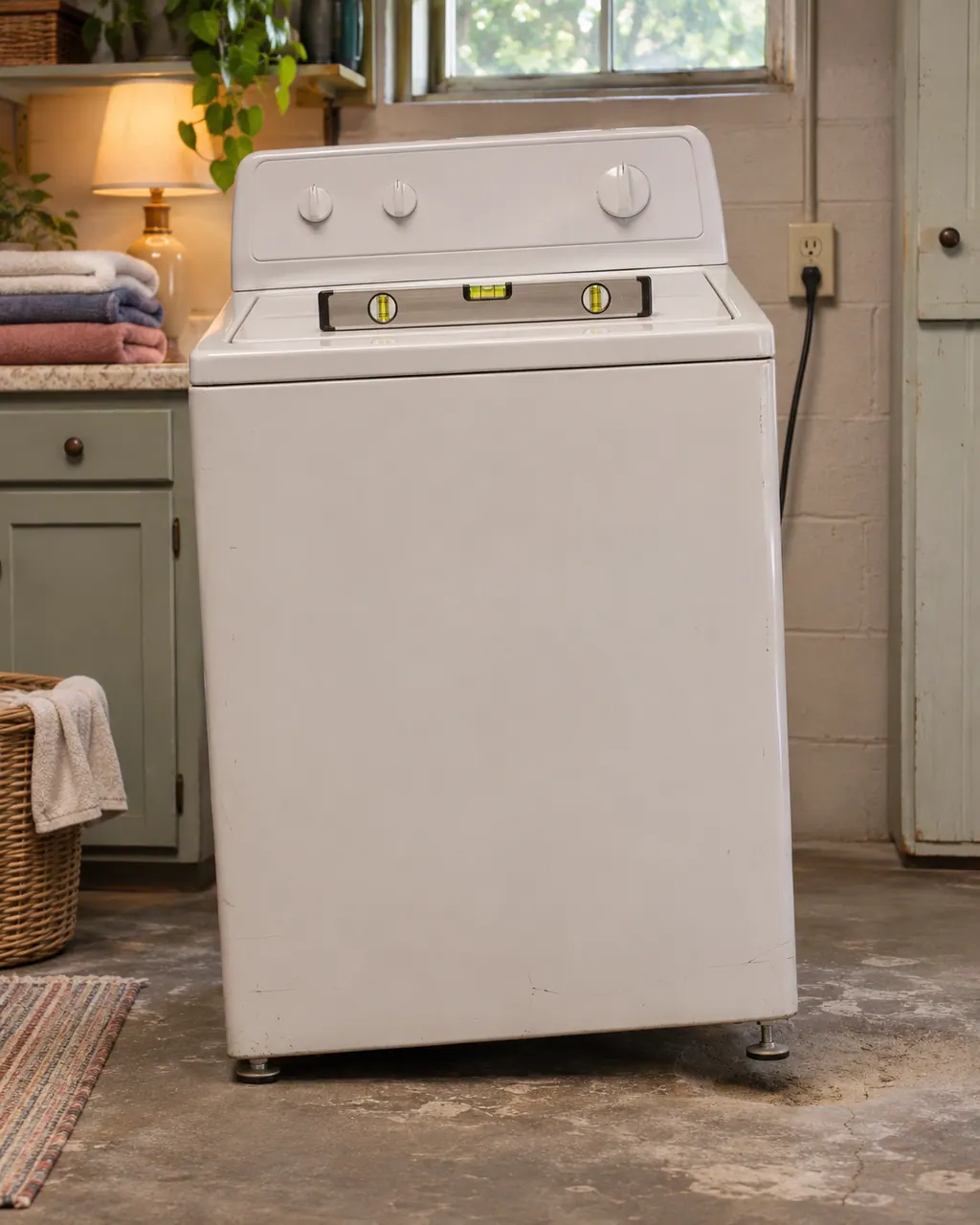
Violent shaking on a Kenmore washer comes down to a lopsided load, feet that are not all touching, shipping bolts left in, or a floor that flexes. Pause, spread the load, check the feet and the bolts, then book us if the shaking persists.
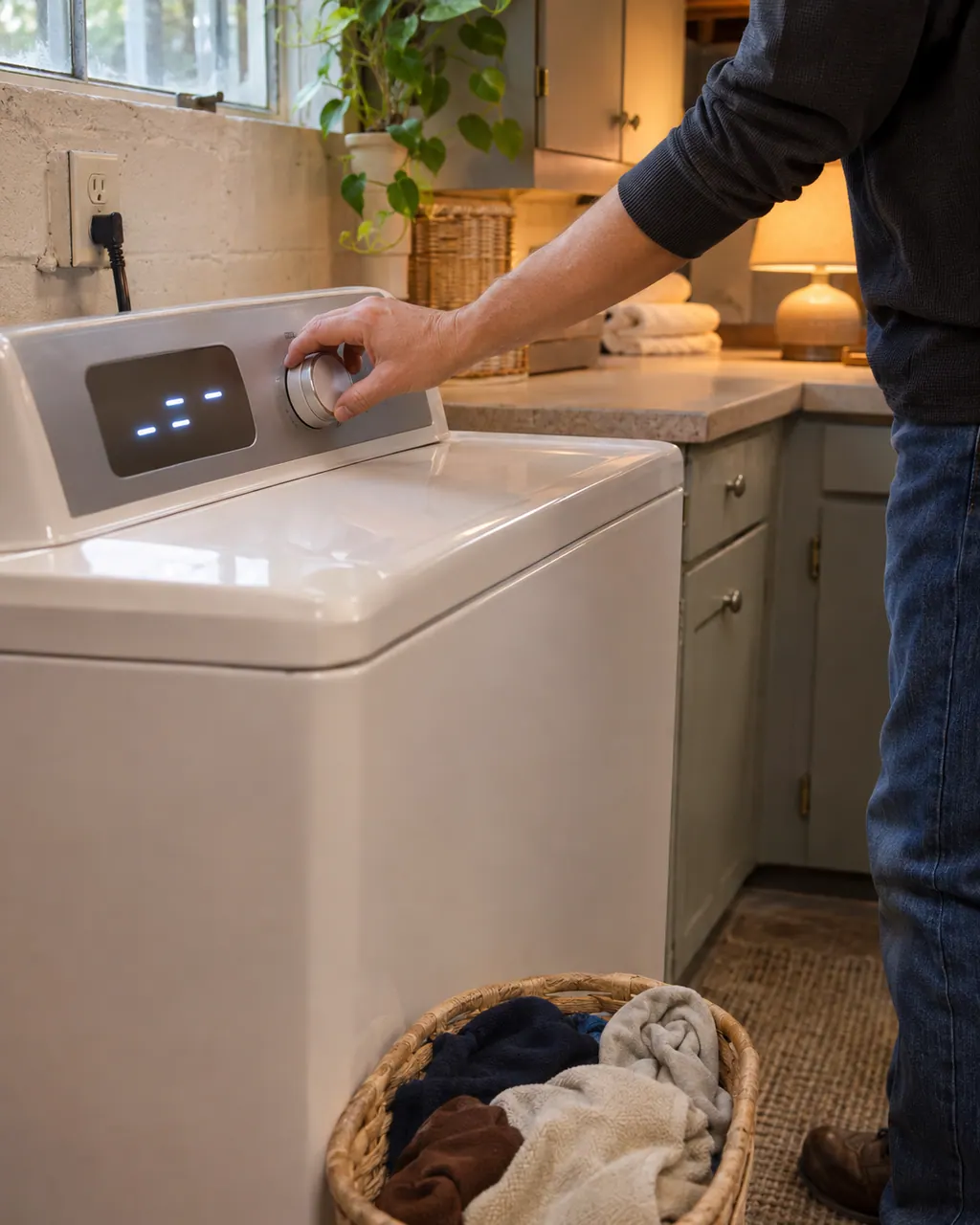
On a 796 front-load washer, buttons that do nothing often mean the Control Lock is on and CL is flashing in the display. Hold the CHIME button for three seconds to switch it off. If the washer is simply dead, check the plug, the breaker and the door or lid.
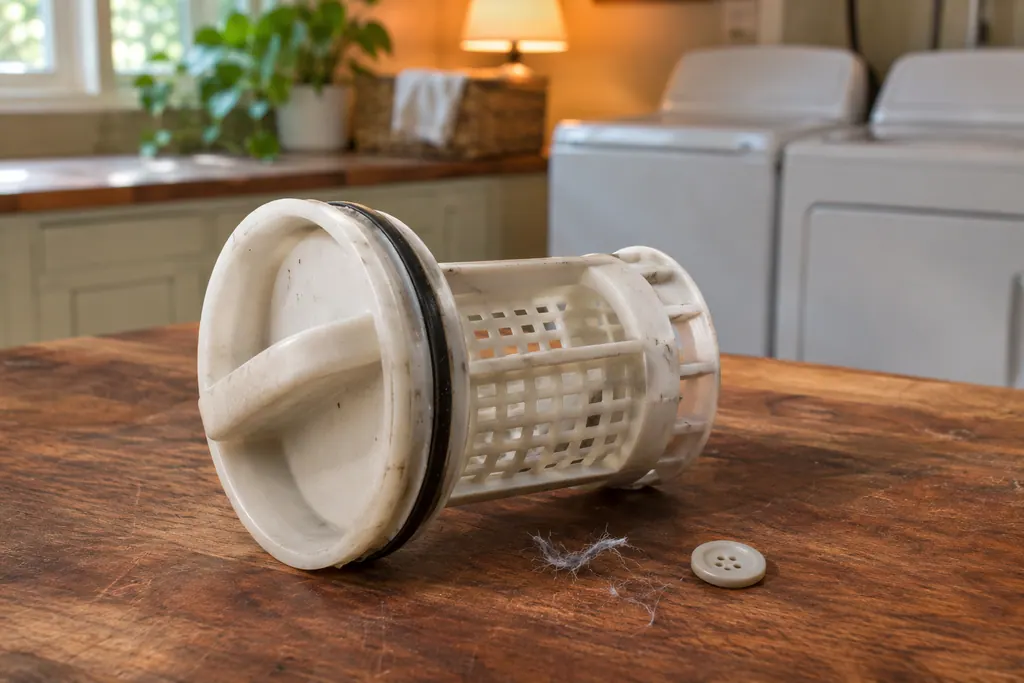
The 796 front-load washer has a drain pump filter behind a small access panel. It catches lint, buttons, keys and coins before they reach the pump. When the washer drains slowly or not at all, the guide’s list starts with the drain hose and then this filter.
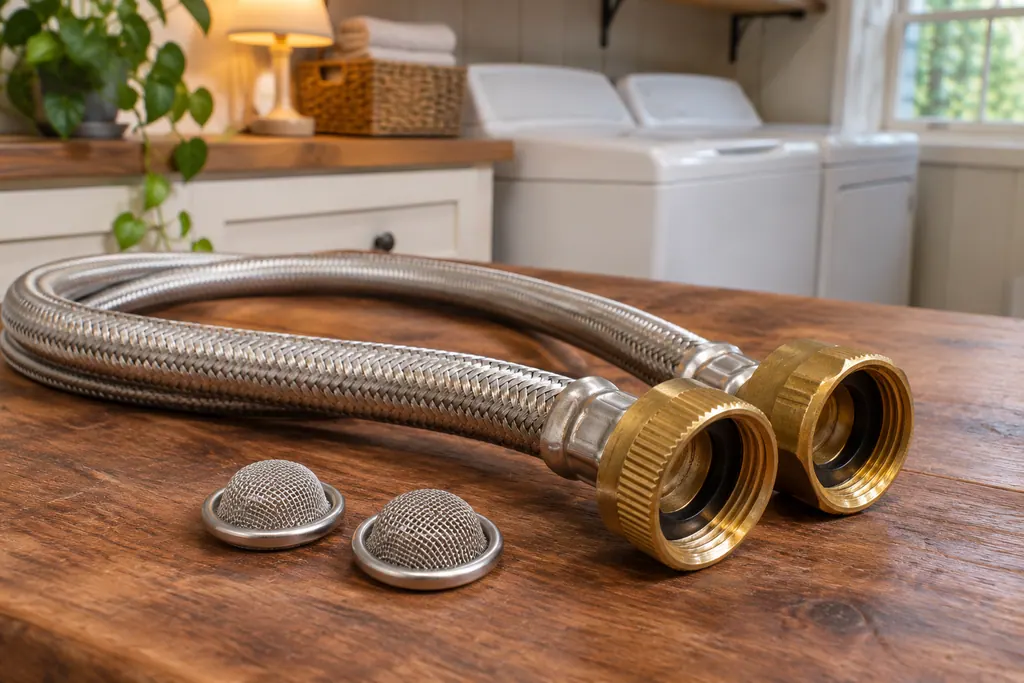
Each water valve on a Kenmore washer has a small filter screen where the hot and cold hoses connect. The guides tie them to slow or no filling: Calypso LF (Long Fill) asks whether the inlet valve screens are clear, and the 796 front-load guide says to clean them if the washer does not fill properly.
On 796 Kenmore washers, IE signals a slow fill or no fill. Faucets fully open, hoses straight, inlet filters clean and house pressure adequate are the guides' checks. The front-load guide also advises against leak-limiting hoses.
OE is the 796 Kenmore message for water that drains slowly, or not at all. Inspect the drain hose for kinks and clogs, clean the drain pump filter, and keep the discharge at 96 inches (244 cm) or less above the bottom of the washer. The top-load guide also lists a drain pump that failed.
Experienced technicians look the appliance over before they suggest any work. OEM parts can be ordered, and the correct part is matched to your model.
Covered repairs under a Kenmore manufacturer warranty are handled through Kenmore. We stand behind our own work with a workmanship warranty.
Clear it after every load, as the Kenmore dryer guides tell you. A clogged filter slows drying and strains the machine, and it costs nothing to rule out.
Yes, the vent path. A crushed or blocked duct causes the same long drying times as a full filter. Check it before you book.
Look at them now and then. A bulge, a crack or a rusty fitting is a reason to shut the valve and book a visit. A hose that looks fine can still be old.
No. It removes common causes such as lint, suds and an unlevel machine. Wear on parts and dead electronics still call for a technician.
Code, symptom, part or service
Start with what the display and the lid or door say. A Kenmore washer will not spin until the lid or door is latched, and an out-of-balance load, a slow drain or too many suds can each hold the spin back. Rebalance, check the drain, then book a visit.
Book a diagnostic for your model, carried out at the appliance.
Office details, and the access information to pass along.