On this page
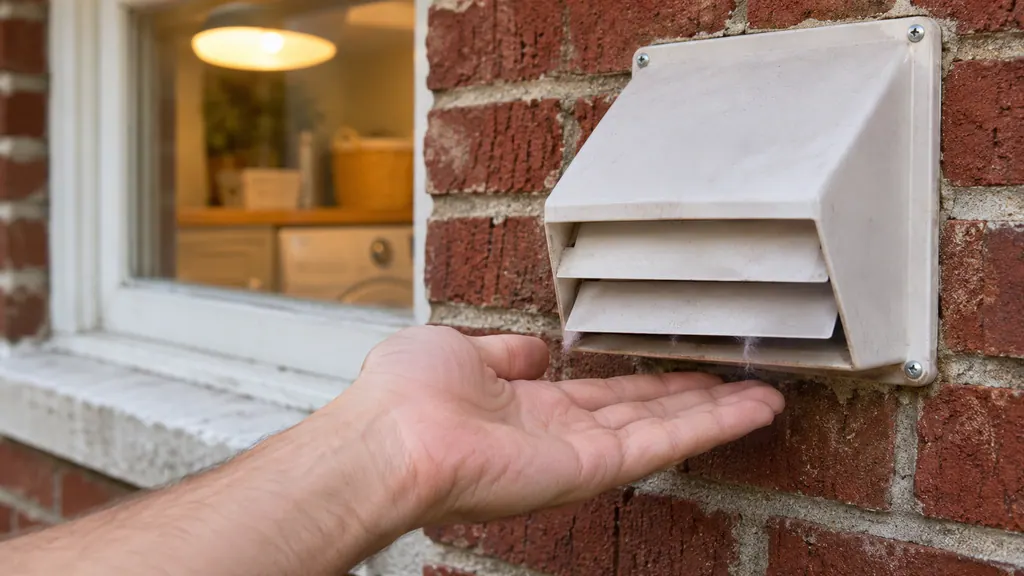
- The hand test: run 5 to 10 minutes, hold your hand under the outside exhaust hood. 12
- AF on the Elite HE dryer says the vent may be crushed or blocked. 1
- Plastic and foil vent are fire hazards; use heavy metal vent with clamps. 13
- The 796 guide says check ducts monthly and clean yearly; the 110 guide says every 2 years or more often. 13
- The guides print no meaning for F30. 1
How do I check the airflow on my Kenmore dryer?#
Run the dryer for 5 to 10 minutes, then hold your hand under the outside exhaust hood. If you feel no air moving, the vent is restricted. Clean the exhaust system of lint, or replace plastic or foil vent with heavy metal or flexible metal vent. 12
That test comes straight from the troubleshooting page of the Kenmore Elite HE guide and the 110.8756-series guide. It takes ten minutes and needs no tools. 12
The 796 dryer guide is blunt about why it matters: poor exhaust venting is the most common cause of dryer problems. It names dirty or damaged ducts, the wrong vent material, a restricted or damaged hood, an excessively long vent and plastic or foil venting. 3
- 1
- 2
- 3
- 4
- 5
If you feel little or no air#
The guide's fix is to clean the exhaust system of lint, or to replace the vent with heavy metal or flexible metal vent. Cleaning the whole run is a bigger job than the lint screen, and it is where a visit helps. 12
The Elite HE guide says: if the message persists after the checks, have your entire home venting run cleaned. 1
What does AF mean, and what about F30?#
On the Kenmore Elite HE 110.8772 dryer, AF means the dryer vent may be crushed or blocked. The dryer continues to run while it shows. Press any key to clear it. Check the run, the hood and the run length, then restart a Timed Dry heated cycle. 1
Our AF page has the code on its own. This guide is the long version of those checks.
The Kenmore guides we read print no meaning for F30. The Elite HE guide names F1, F2 and F20 as service codes and says to call for service. If you see F30, do the airflow checks first, since they cost nothing, and book a visit if it returns. 1
Our page on dryer codes without a printed meaning covers F30 and the others people search for.
The Check Vent light on 796 dryers#
The 796 dryers have a Check Vent light instead of AF. It watches the exhaust over several loads and turns on if it finds a high level of restriction. The dryer keeps running, but the guide says to have the system cleaned or repaired right away. 3
The guide says this light does not indicate a dryer failure and is not covered by the dryer warranty. It also says damage caused by a restricted exhaust is not covered. After cleaning, it takes several cycles for the light to reset. 3
What vent material and length do the guides allow?#
Heavy metal vent, rigid or flexible, 4 inches across, held with clamps. Plastic and foil vent are fire hazards. The run must stay within the length chart for its hood type and number of 90-degree elbows. 13
Flexible metal vent is acceptable only if it is accessible for cleaning, fully extended and supported, with extra length removed so it does not sag or kink. Do not use duct tape or screws that poke into the duct. 1
| 90° elbows | Maximum length, 4 inch rigid metal, 796 guide (recommended hood) 3 | Maximum length, rigid metal, 110.8772 guide (louvered hood) 1 |
|---|---|---|
| 0 | 65 ft | 64 ft |
| 1 | 55 ft | 54 ft |
| 2 | 47 ft | 44 ft |
| 3 | 36 ft | 35 ft |
| 4 | 28 ft | 27 ft |
Flexible metal vent allows shorter runs, and the other hood style does too. Read the chart in your own guide for your hood and vent type. A run that is too long causes longer drying times and more energy use, and the guide says it can shorten the life of the dryer. 13
How often do the lint screen and the vent need cleaning?#
Clean the lint screen before every load. Check the vent for lint monthly and clean it at least yearly, according to the 796 guide. The 110 guides say to remove lint from the exhaust vent every 2 years or more often, depending on use. 123
The guides do not agree, and we go with the shorter interval. The 110 guides also say lint should be removed from inside the cabinet every 2 years, and that a qualified person should do that. 12
The lint screen itself#
Do not run the dryer with a screen that is loose, damaged, blocked or missing, because it can cause overheating. New towels shed a lot of lint, so clean the screen before and after drying them. 2
If lint falls off the screen into the dryer when you remove it, check the exhaust hood and remove the lint there. 2
When the screen is dirty after cleaning#
Fabric softener and detergent residue can build up on the screen. If it looks dark when held to the light, wash it in hot soapy water with a stiff brush and dry it completely. The 110 guide uses a nylon brush every 6 months. Never run the dryer with a wet screen. 23
Use only one fabric softener sheet, and only once, because sheets can block the screen grille. 1
When should I book a technician?#
Book a visit if you feel no air at the hood after the screen and the run are clear, if AF or the Check Vent light returns, if the vent is crushed or too long to fix yourself, or if cleaning inside the cabinet is due. 123
Tell us how long your cycles take now, whether you felt air at the hood and what kind of vent you have.
You can book a visit, read about our dryer service or see the dryer takes too long page. The technician agrees the price with you before any work starts. The exact cost is confirmed after the on-site diagnostic. If your unit is under the manufacturer's warranty, the manufacturer handles that repair. We give a warranty on our workmanship.
Sources#
- Use & Care Guide, Kenmore Elite HE electric dryer 110.8772Kenmore / Sears Roebuck · Document L0708325 (part W10136973A), no date printed · pp. 14-16 (Venting Requirements, Plan Vent System), 27 (Care), 28-29 (Troubleshooting)
- Use & Care Guide, Kenmore electric dryers 110.8756/8757/8758/8856/8857/8858Kenmore / Sears Roebuck · Document 1506245L (part W10035050C), no date printed · pp. 25-27 (Dryer Care, Troubleshooting)
- Use & Care Guide, Kenmore dryers 796.8128/9128/8118/9118Kenmore / Sears Brands · Document 1901122L (part MFL67731010), no date printed · pp. 14 (Venting the Dryer), 26-27 (Maintaining the Exhaust System, Check Vent), 29-30 (Troubleshooting)