Before work starts
After the technician has examined the appliance you are given the cost of the repair, and you decide whether to go ahead.
Independent appliance repair
We repair Kenmore gas and electric dryers that will not start, run but do not heat, take too long to dry or show a code such as PF, AF or tE1. Tell us the model number, the cycle you used and whether the drum turns, then book a technician.
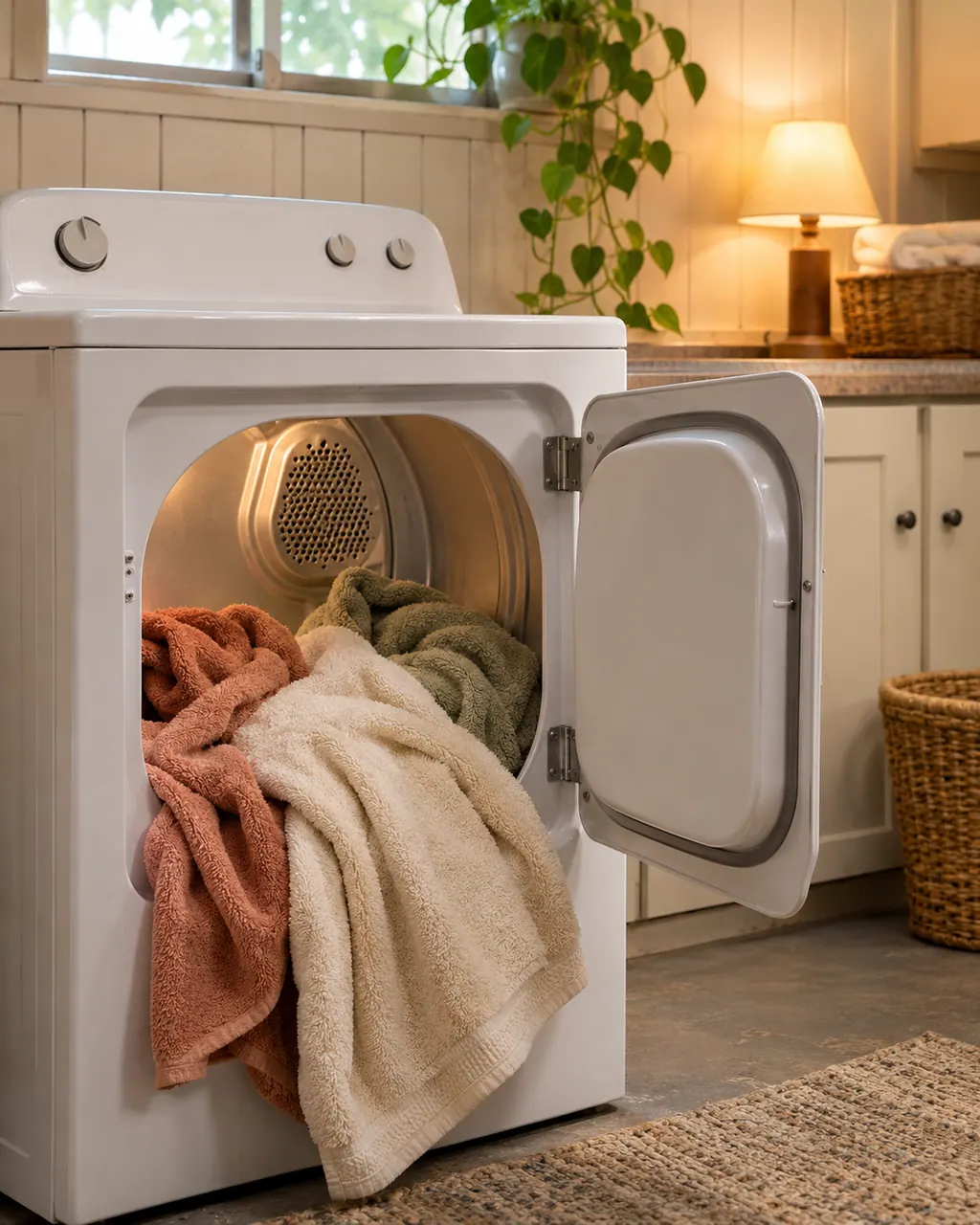
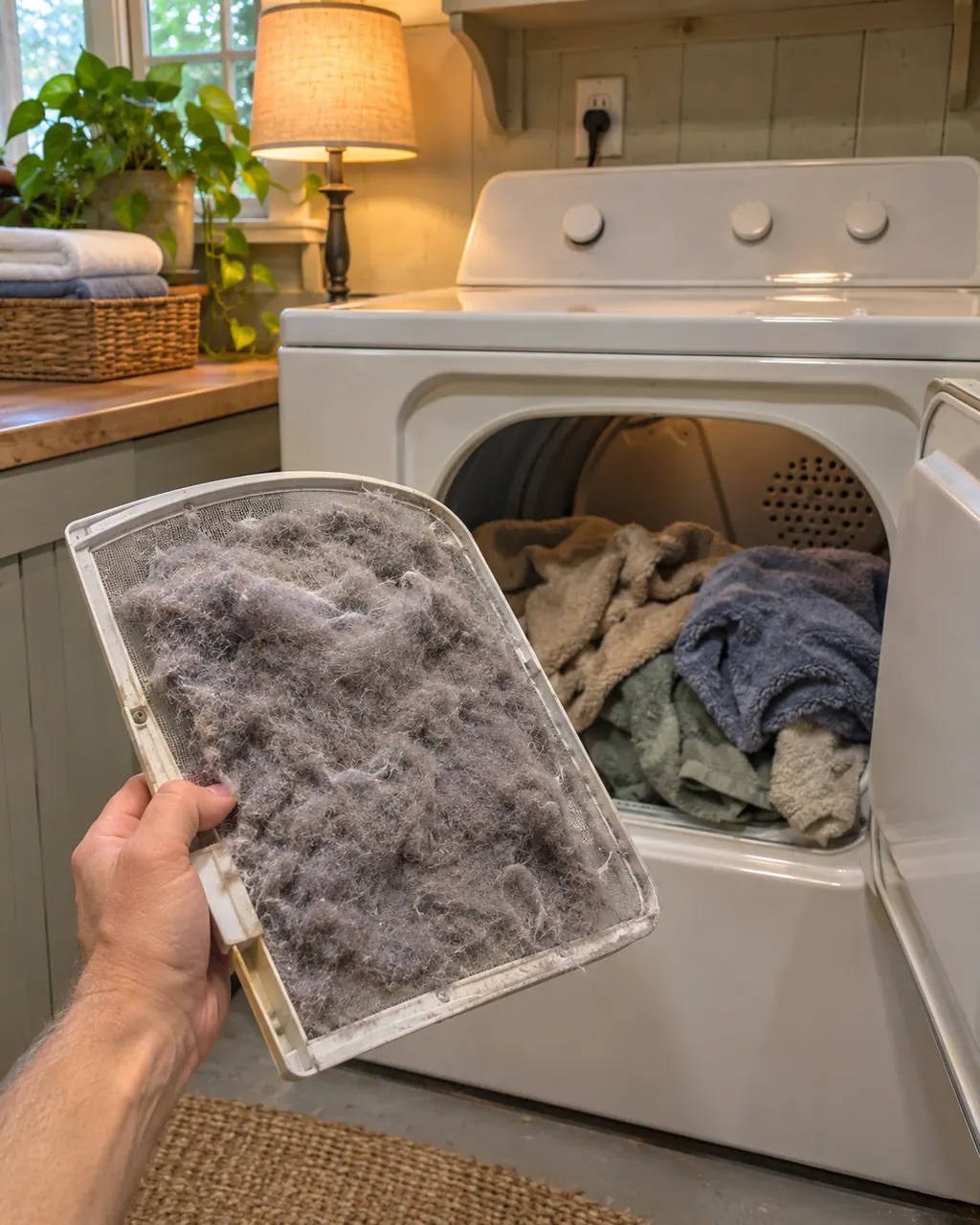
Long drying on a Kenmore dryer usually traces back to airflow: a clogged lint screen, a crushed or lint-packed exhaust vent, or a vent run that is too long. The guides give a quick test with your hand under the outside hood.
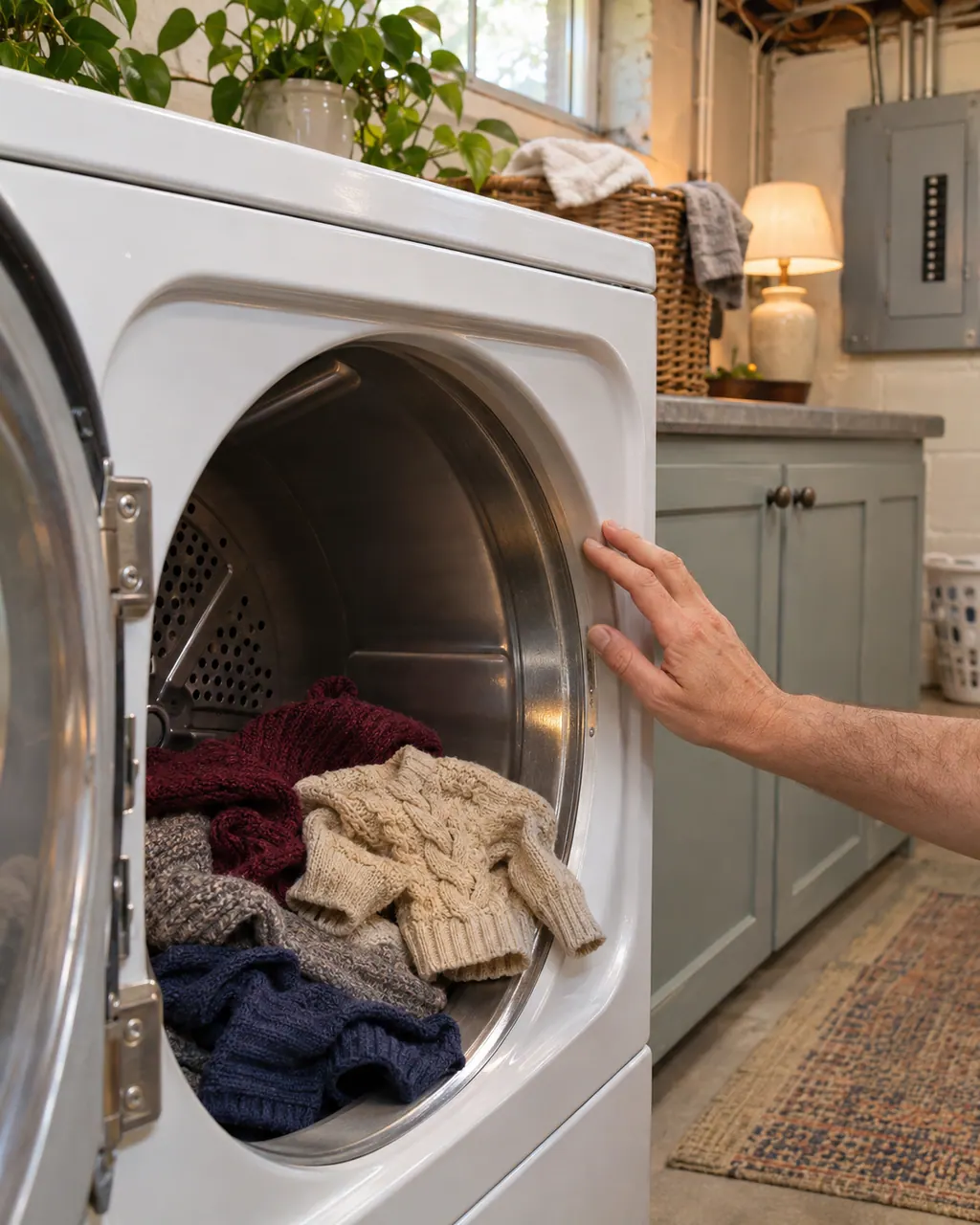
A Kenmore dryer that runs too hot, too cool or without heat is covered by three kinds of check in the guides: airflow, the household power supply, and a sensor message. Clear the lint and vent first, then check breakers and the gas valve on gas models.
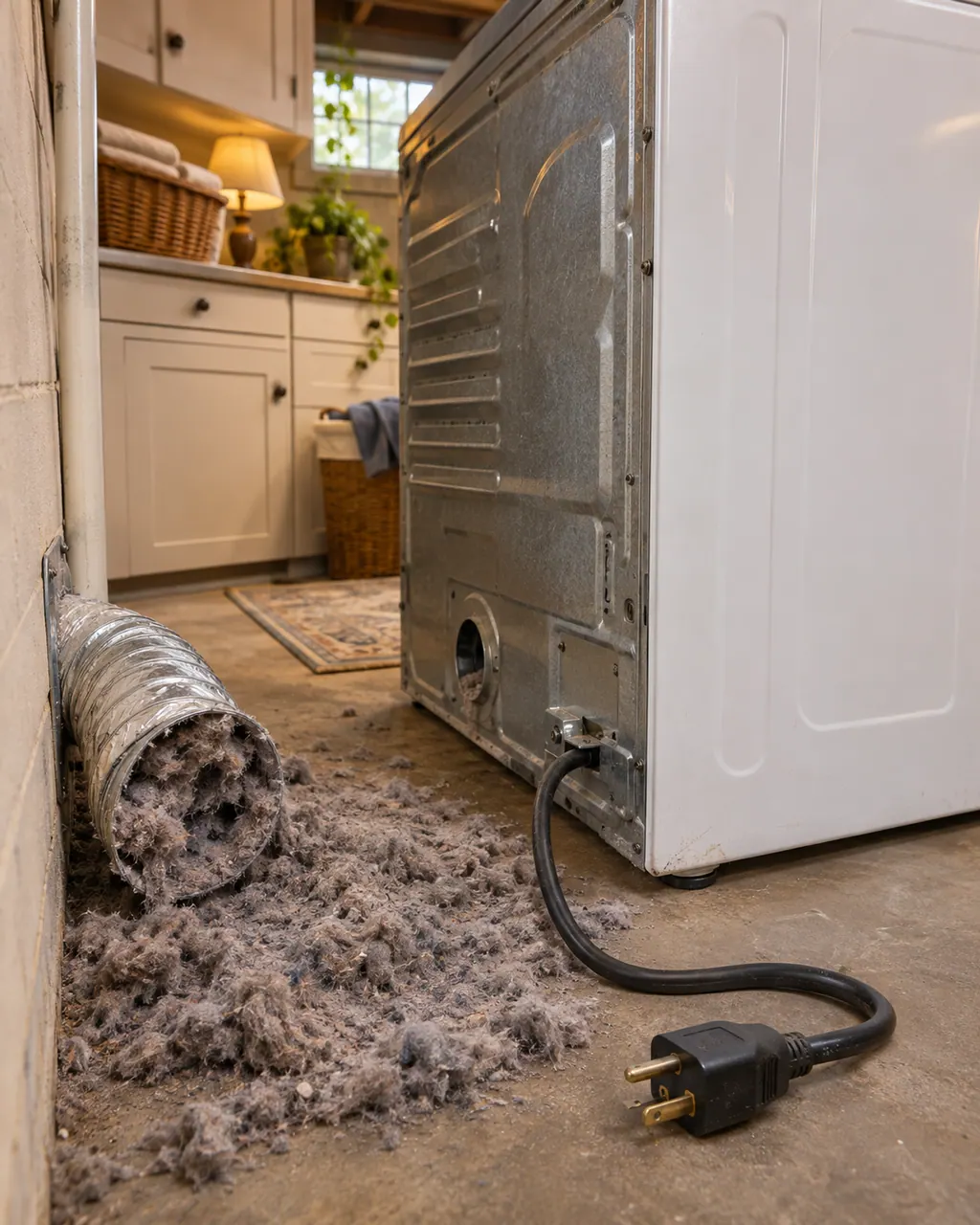
The Kenmore guides name only a few harmless odor sources: a new electric heating element on first use, and fumes from paint or varnish in the room. They do not describe a persistent burning smell, so treat that as a reason to stop the dryer and unplug it.
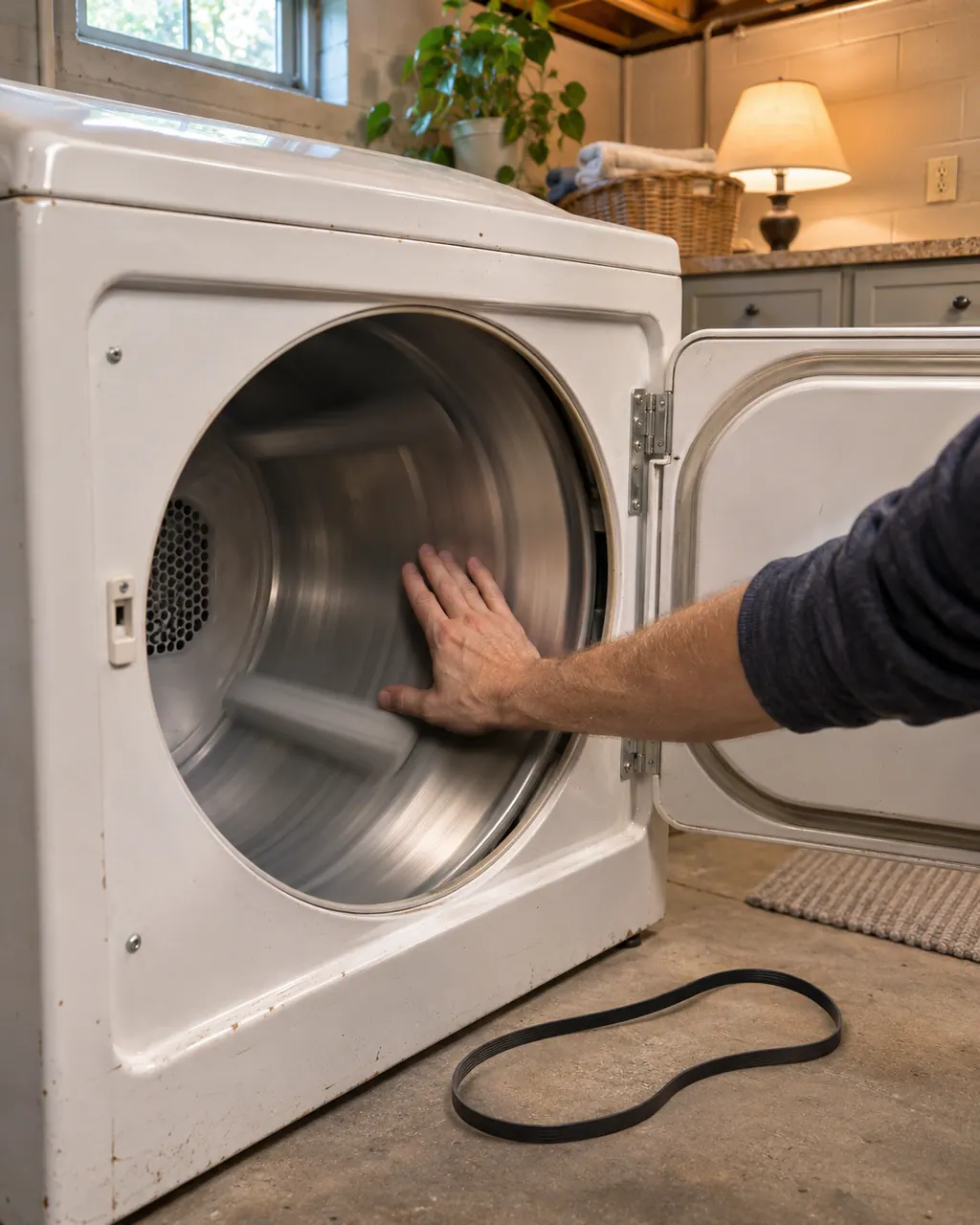
The Kenmore dryer guides do not describe a mechanical cause for a drum that will not turn, so we stay with what they print: a dryer that will not run needs power, a firmly closed door and a firm START press. Large loads may need START held 2 to 5 seconds.
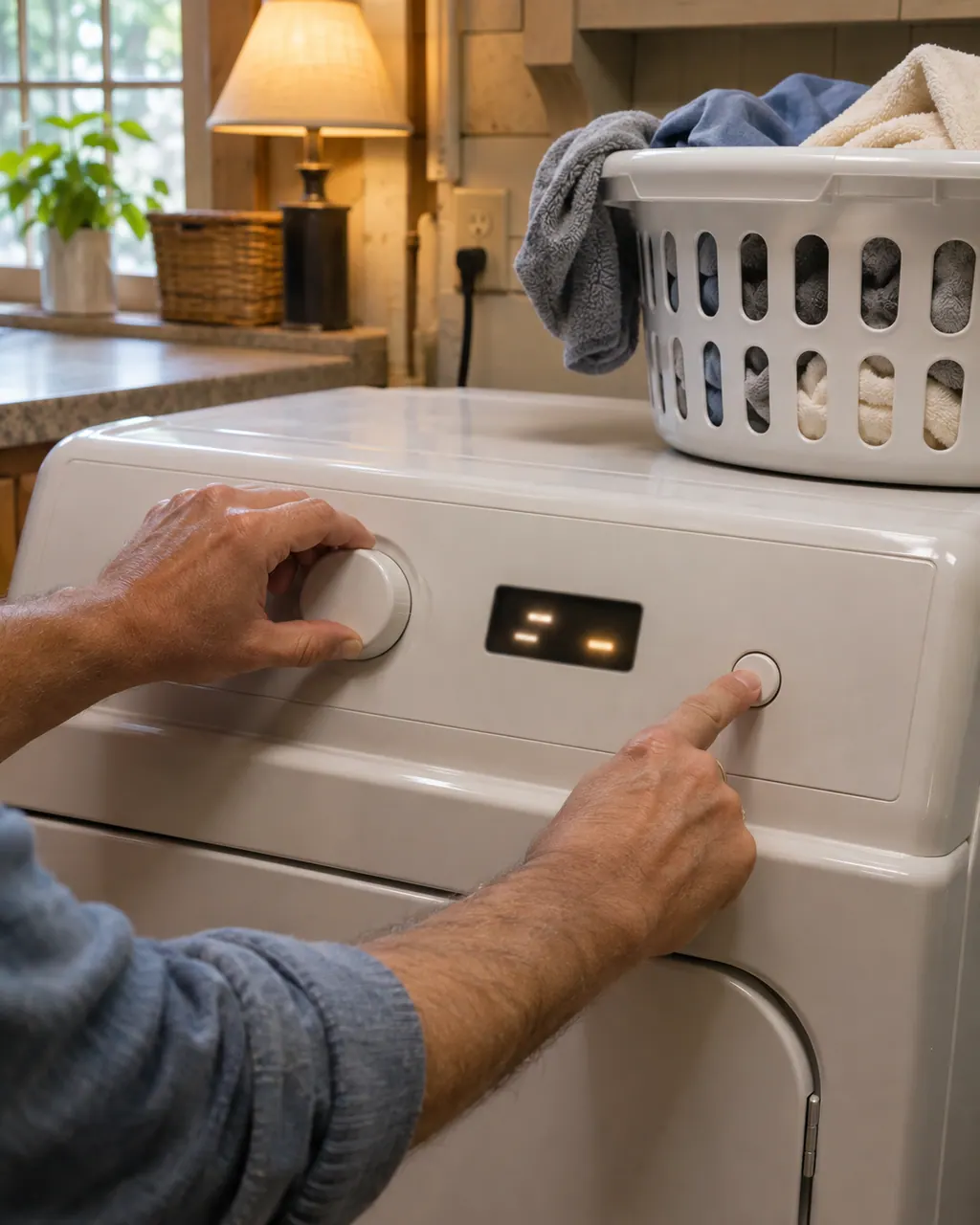
If the buttons on a Kenmore dryer do nothing, look for CL in the display: the Control Lock is on. On the 796 dryer, hold TOUCH UP for five seconds. On the Elite HE 110, hold CYCLE SIGNAL for three seconds. A dark drum light is a separate, simpler issue.
We don’t quote parts up front. The technician names any part after the diagnostic and matches it to your exact model number before anything is replaced.
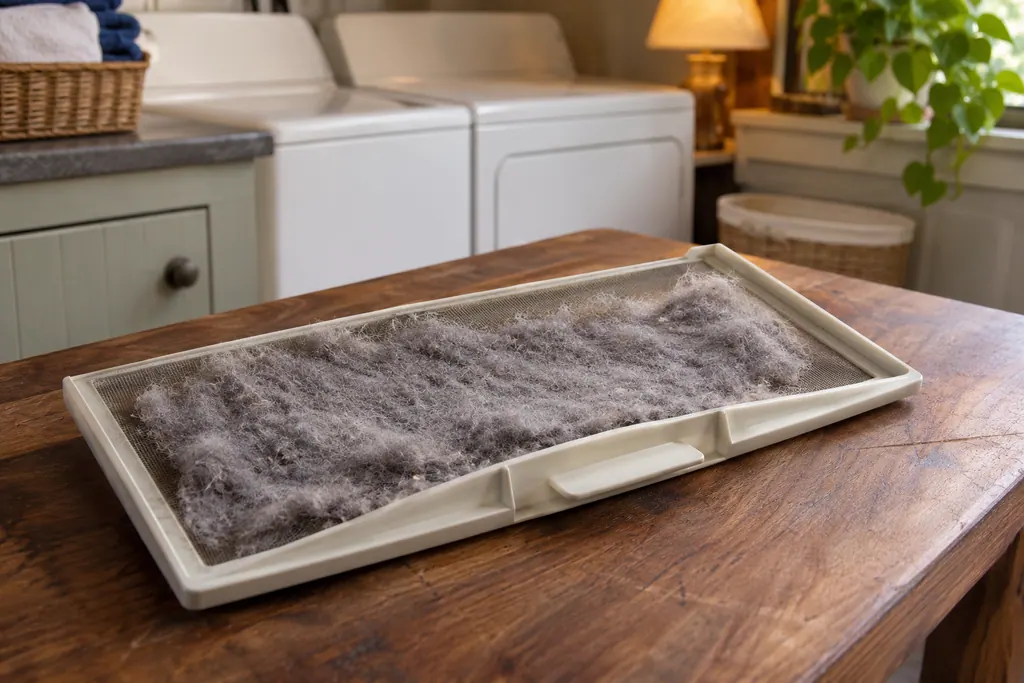
The lint filter is the screen that catches lint before it reaches the exhaust. Kenmore’s dryer guides say to empty it before every load, and the Elite HE guide lists a clogged lint screen first when clothes dry slowly or the load comes out hot. The 796 guide adds a periodic wash.
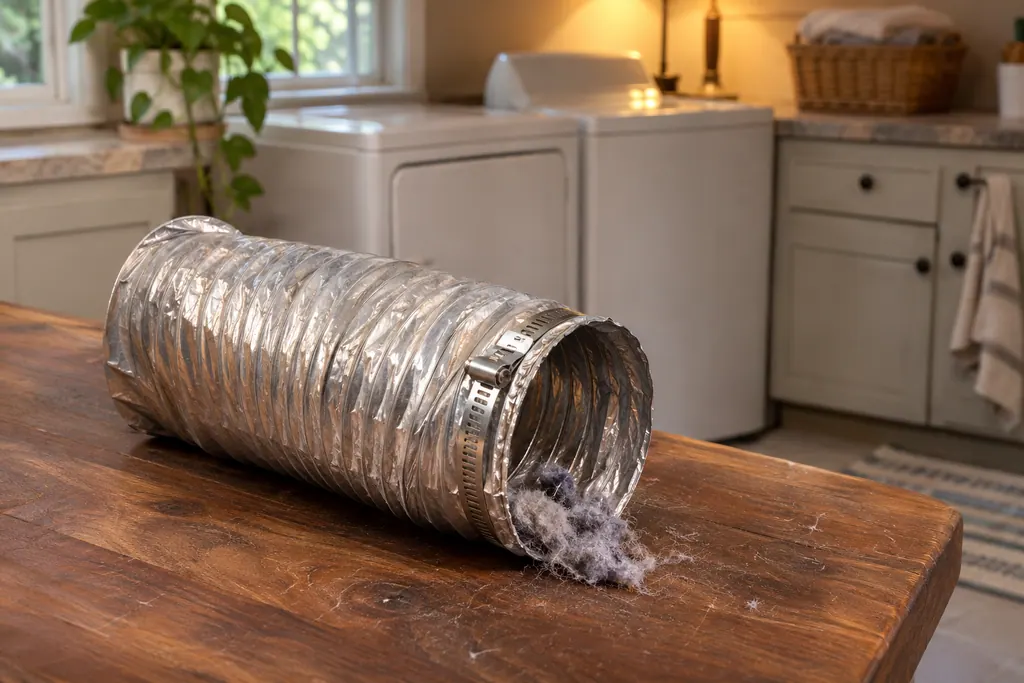
The exhaust vent carries hot, moist air outside. The 796 guide calls poor venting the most common cause of dryer problems, and the Elite HE guide’s AF code means the vent may be crushed or blocked. Both guides say to check the vent run and the outside hood for lint.
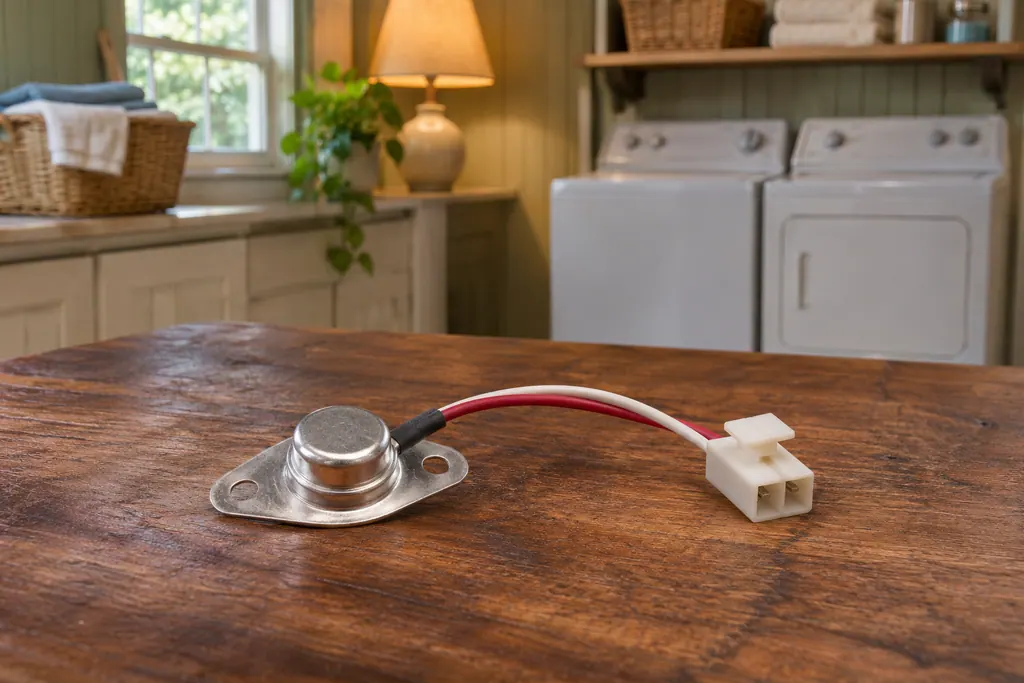
Kenmore’s 796 dryer guides print one line about the temperature sensor: if the display shows tE1 or tE2, the cause is “Temperature sensor failure,” and the step is to turn off the dryer and get service. They give no owner repair and no reading of what failed.
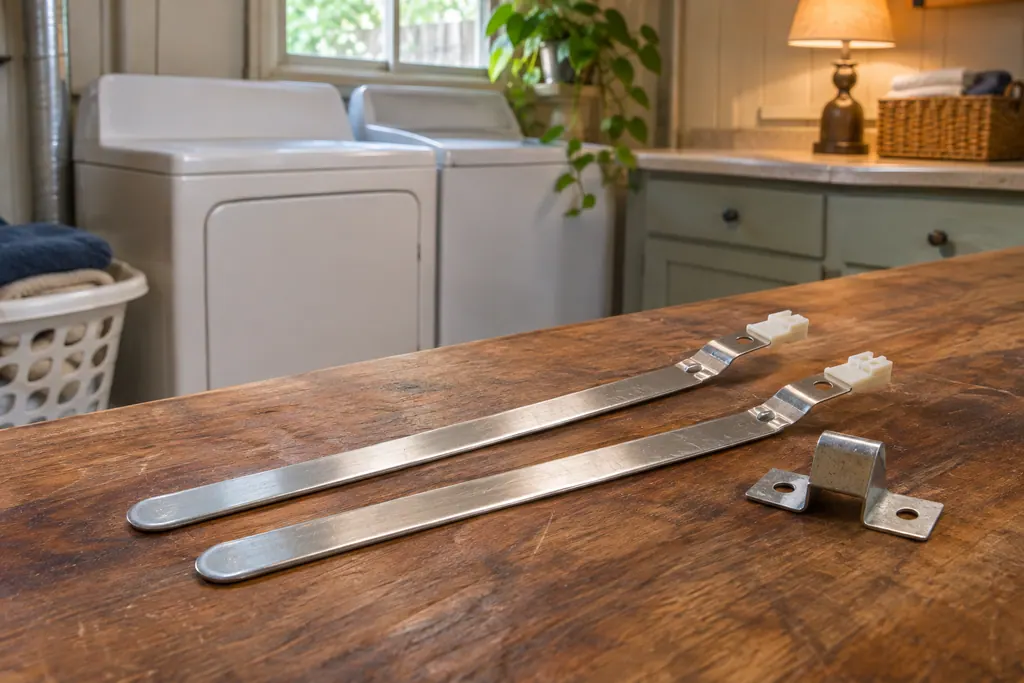
Some Kenmore dryers have a sensor that reads how damp the clothes are. The 796 guide says Auto Dry cycles use it to adjust drying time, and that light items mixed with heavy ones can fool it because the light items dry first. Your own guide says whether your model has one.
What happens after you book.
Model number first.
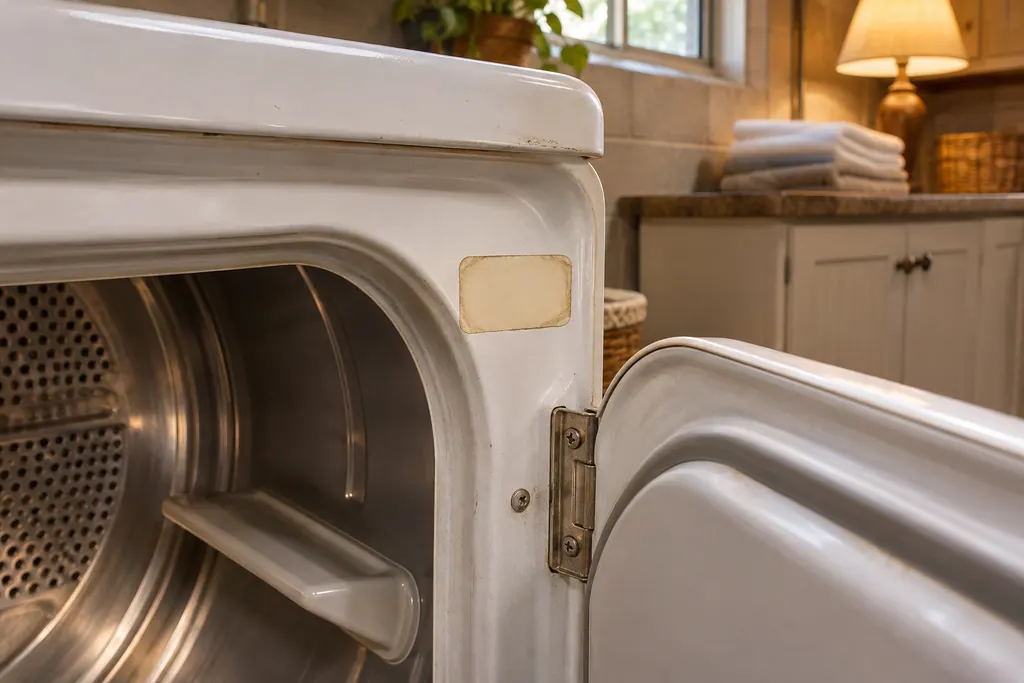
Type in the number from the label, along with what the appliance does. A photo of the label works too.
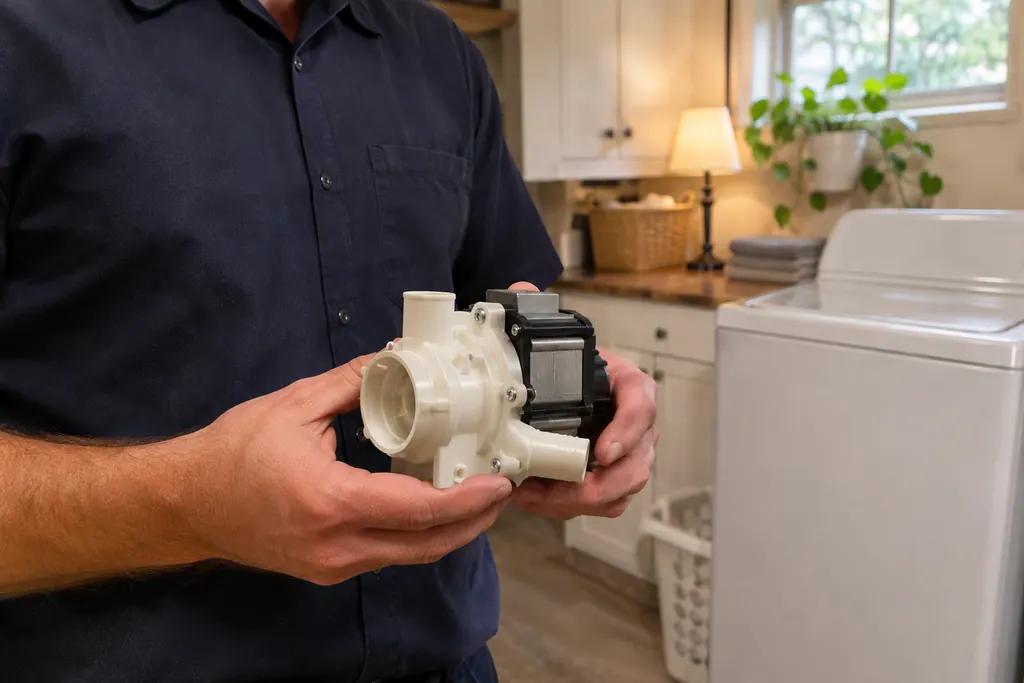
The technician reads the code against your model, finds the failed part and gives you a cost before starting.
The new part goes in, the cycle is tested, and you hear what was done.
The Elite HE guide says electric dryers use two fuses or breakers and that both must be intact. If the problem continues it says to call an electrician.
Large loads may need START held for 2 to 5 seconds. For PF, the guides say to restart; the 1506245L guide says press POWER, then press and hold START.
The lint screen should be cleaned before each load. Check the vent run, the duct and the outside hood for lint. The guide calls plastic and foil vent a fire hazard.
tE1 or tE2 on a 796 dryer is a temperature sensor failure: turn it off. The Elite HE guide’s F-variable codes (F1, F2, F20) are service codes.
The Elite HE guide restarts on a Timed Dry heated cycle, never Air Only, to check the heat.
Book a visit if the dryer won’t heat after both fuses or breakers are confirmed.
Book a visit if tE1, tE2 or an F code appears.
Book a visit if the dryer overheats or the Check Vent light stays on after the vent is clear.
Leave gas and electrical connections to the technician.
Arrange a diagnosticAfter the technician has examined the appliance you are given the cost of the repair, and you decide whether to go ahead.
Covered repairs under a Kenmore manufacturer warranty are handled through Kenmore. We stand behind our own work with a workmanship warranty.
PF means the cycle was interrupted by a power failure. The Elite HE guide says press and hold START to restart; the other 110 guide says press POWER first.
The guide’s first check is the fuses or breakers: electric dryers use two. If the drum turns with no heat and both are fine, book a visit.
The guides print F-variable codes (F1, F2, F20) only as service codes. They don’t give meanings, and neither do we. Book a visit and give us the number.
Yes. Tell us which you have. A gas dryer also needs its gas connection checked by the technician.
A repair that falls under the manufacturer’s warranty is handled by the manufacturer. For anything else, book a visit with us and we agree the price before we begin.
Code, symptom, part or service
PF means power failure: the dryer asks whether its drying cycle was interrupted when power dropped. On the 110 Kenmore dryers, press and hold START to restart. The 8756-series guide adds that you press POWER first.
Long drying on a Kenmore dryer usually traces back to airflow: a clogged lint screen, a crushed or lint-packed exhaust vent, or a vent run that is too long. The guides give a quick test with your hand under the outside hood.
The lint filter is the screen that catches lint before it reaches the exhaust. Kenmore’s dryer guides say to empty it before every load, and the Elite HE guide lists a clogged lint screen first when clothes dry slowly or the load comes out hot. The 796 guide adds a periodic wash.
Book a diagnostic for your model, carried out at the appliance.
Office details, and the access information to pass along.