Start from the symptom
Kenmore washer leaking.
Work out where the water appears first. The Kenmore guides name loose inlet hose connections, a drain hose that has slipped out of the standpipe, a clogged house drain and dirty door glass as the usual sources. Close the taps while you look.
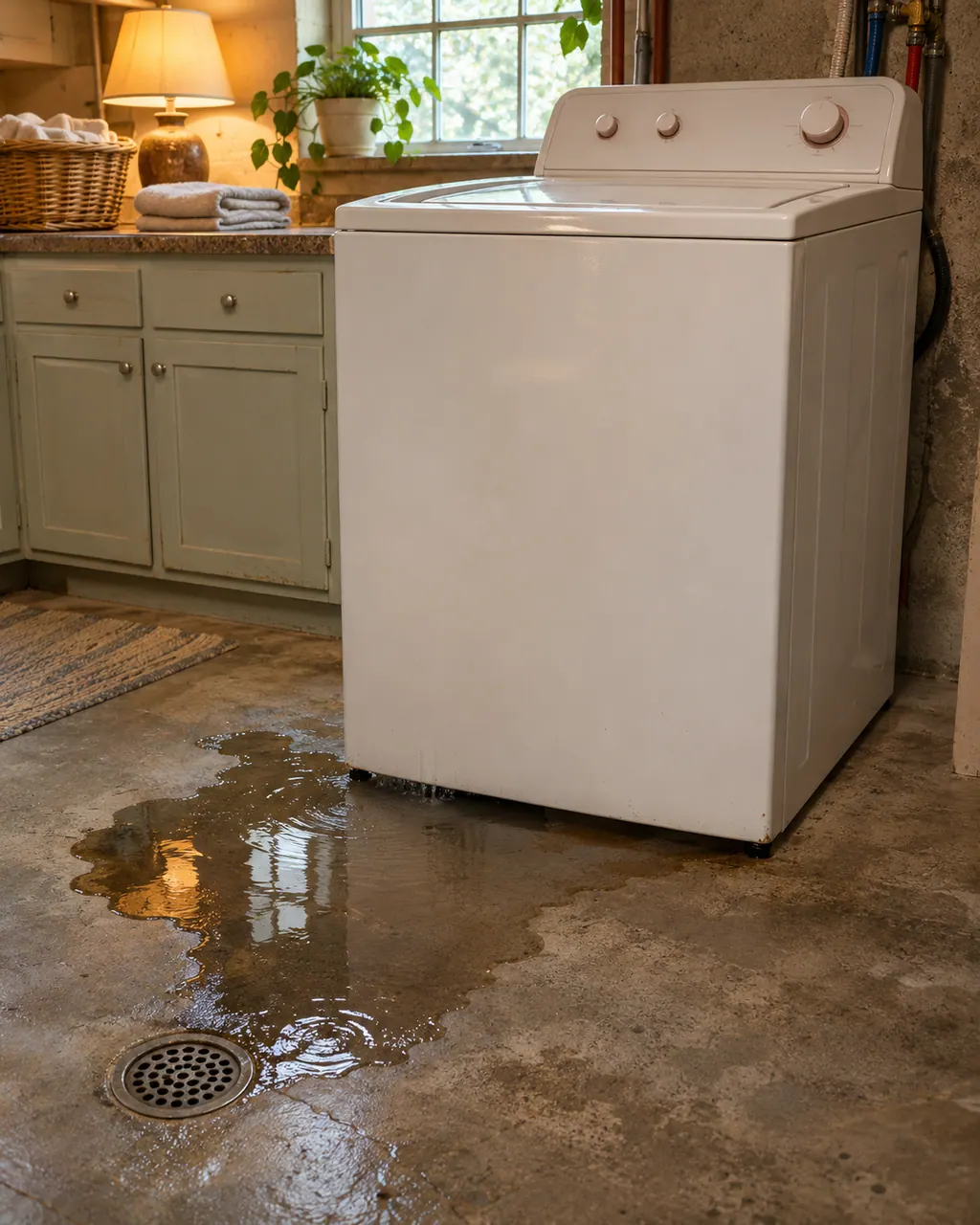
Start with safe observations.
Switch the appliance off and unplug it before any owner check. Be careful around standing water and sharp debris. Never touch a wet plug or electrical area, take off service panels, or go past what your model’s owner instructions allow.
- 1
Turn off both faucets and dry the floor
Do this before touching anything so you can see exactly where new water shows up.
- 2
Inlet hoses
The 796 guide lists a loose hose connection at the tap or the washer. Tighten both ends and look for bulges, kinks or cuts. The guides advise replacing inlet hoses after five years.
- 3
Drain hose and standpipe
On a front-load, the end should go about 8 to 12 inches (20.3 to 30.5 cm) into the standpipe and be tied so it cannot pull out. A clogged house drain also causes overflow; the Calypso guide says the drain must handle 17 gallons a minute.
- 4
Door glass and seal
On the 796 front-load, residue on the door glass is listed as a leak source. Inspect the glass and seal and clean them.
- 5
Top-load specifics
A bulky item draped over the tub on a 796 top-load can let water out. Lay it flat inside and use the BULKY/BEDDING cycle. On a Calypso, water bouncing off an overloaded or uneven load can also escape, so keep loads balanced.
Systems a technician may investigate.
We don’t quote parts up front. The technician names any part after the diagnostic and matches it to your exact model number before anything is replaced.
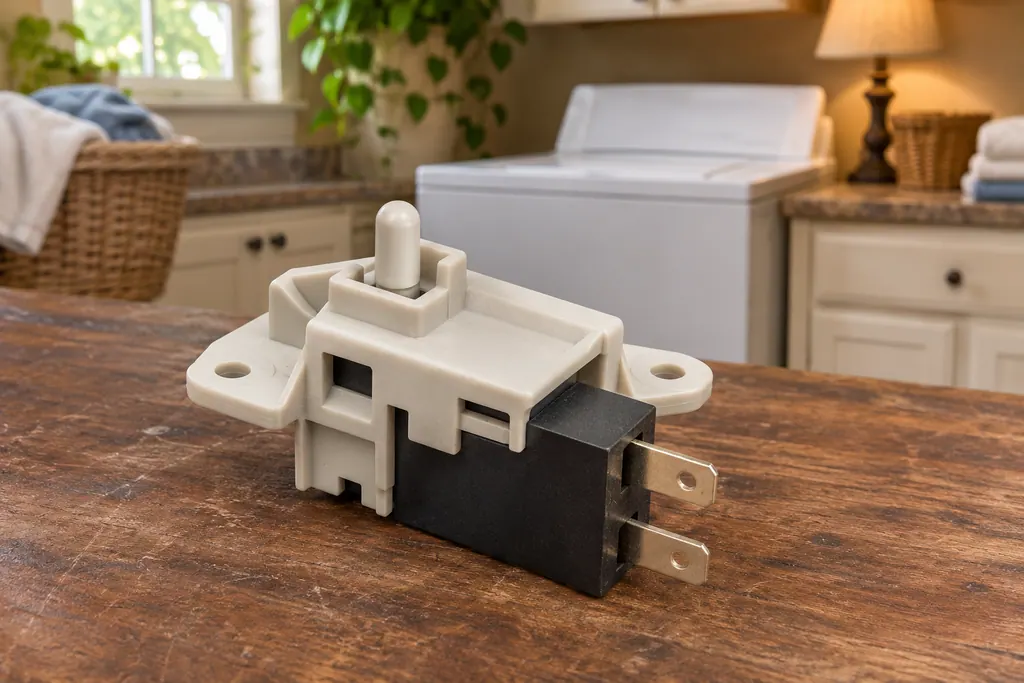
Washer door and lid lock
A Kenmore washer locks its door or lid while a cycle runs, and it will not spin unless the lock has engaged. The 796 guides print dE for a door or lid left open and dL for a lid lock switch error. Calypso washers print LS for the lid switch, and the 110 front-load guide lists F22 as “Front door lock.”
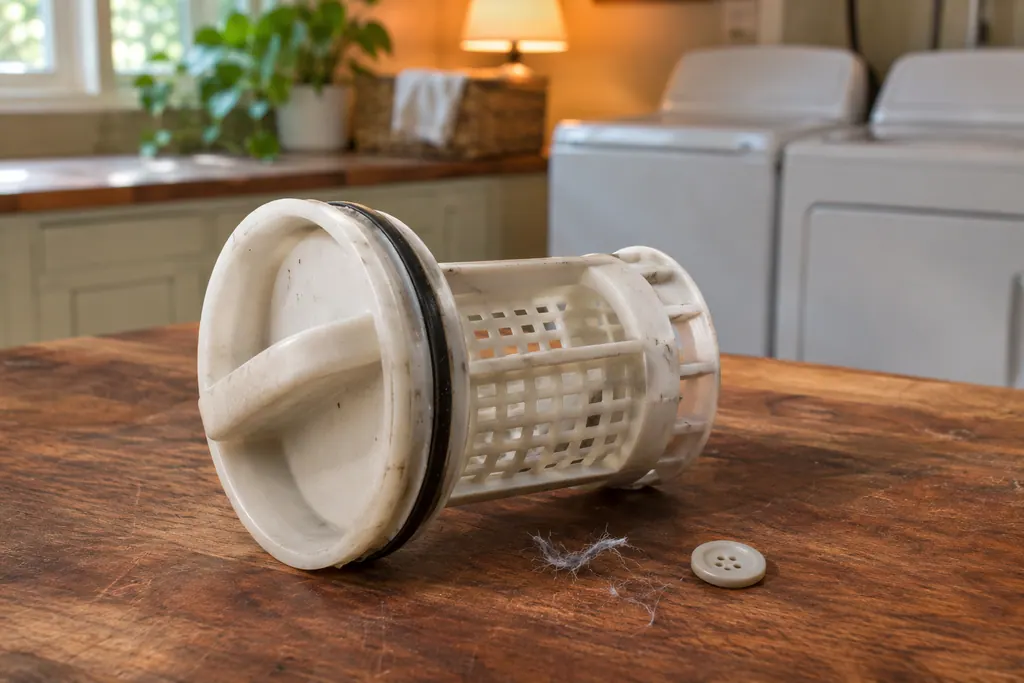
Washer drain pump filter
The 796 front-load washer has a drain pump filter behind a small access panel. It catches lint, buttons, keys and coins before they reach the pump. When the washer drains slowly or not at all, the guide’s list starts with the drain hose and then this filter.
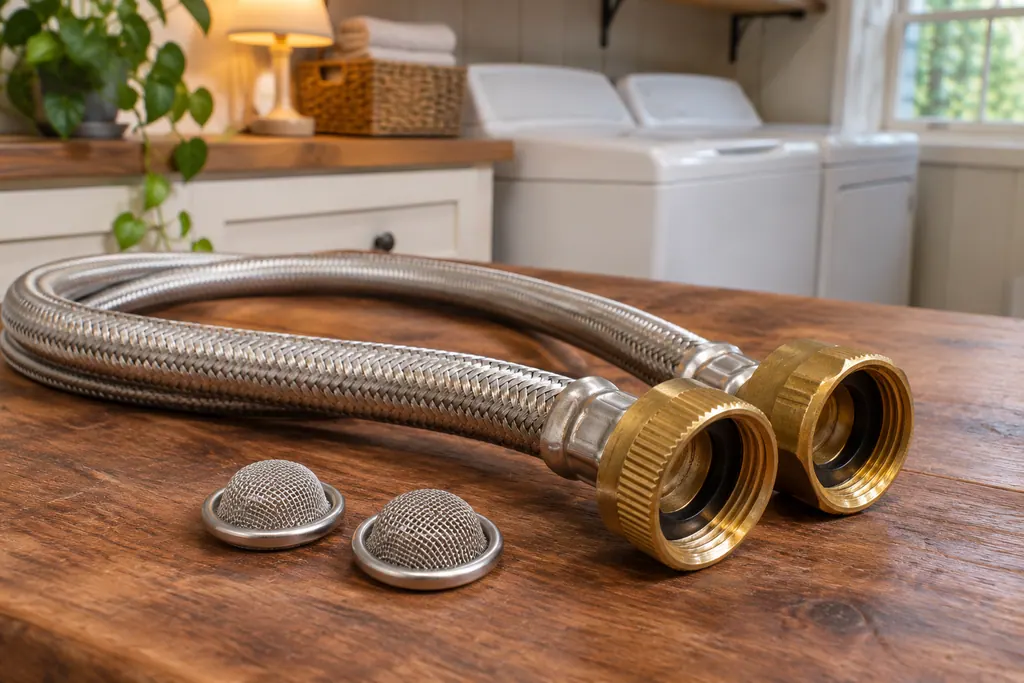
Washer water inlet screens
Each water valve on a Kenmore washer has a small filter screen where the hot and cold hoses connect. The guides tie them to slow or no filling: Calypso LF (Long Fill) asks whether the inlet valve screens are clear, and the 796 front-load guide says to clean them if the washer does not fill properly.
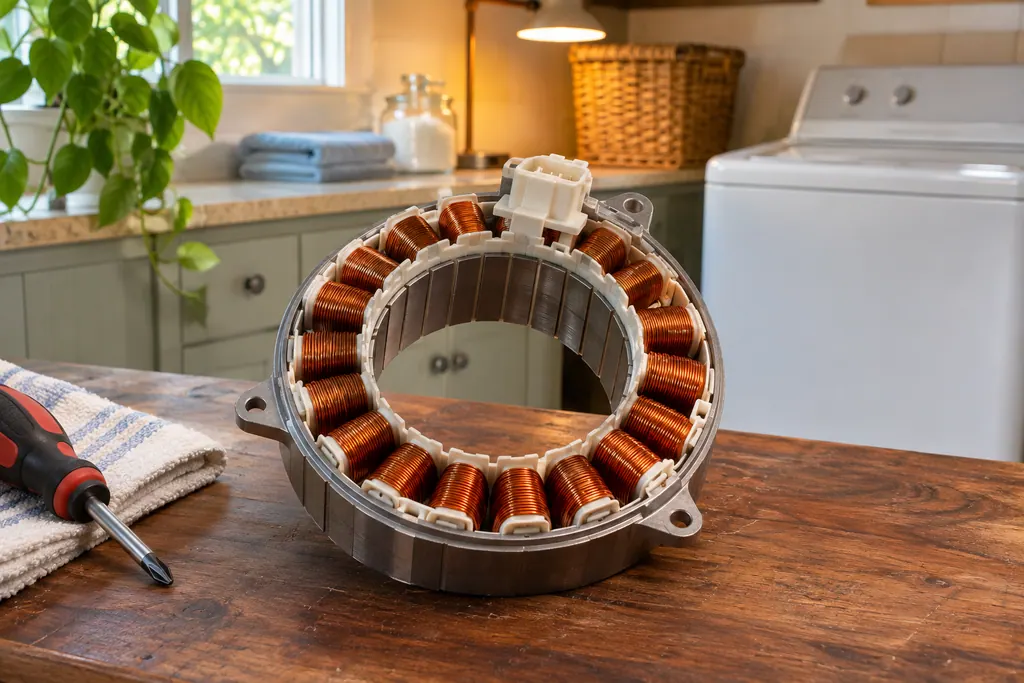
Washer drive motor
On 796 Kenmore washers the drive motor is the part behind the LE code. The front-load guide prints LE as “A motor error has occurred,” and the top-load guide says the motor’s thermal overload protection has tripped. Both say to let the washer stand for 30 minutes, then restart.
Read the related care guide.
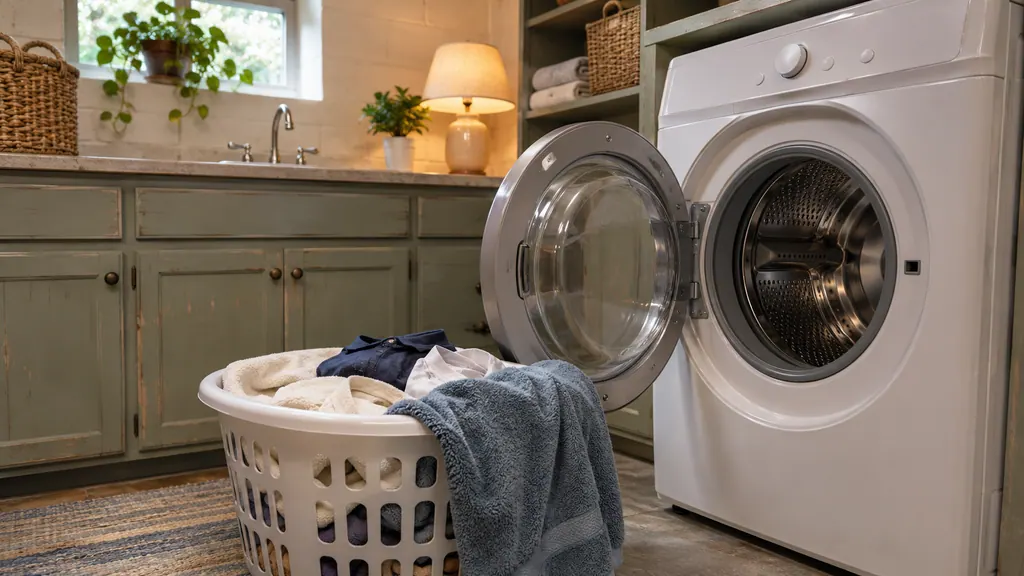
Washer stops before the spin? Check how it is loaded.
A Kenmore washer stops its spin when the load sits unevenly. Load loosely, mix large and small items, never wash one heavy item alone, and keep the drum from being packed tight. If the washer pauses with an imbalance message, redistribute the load and restart.
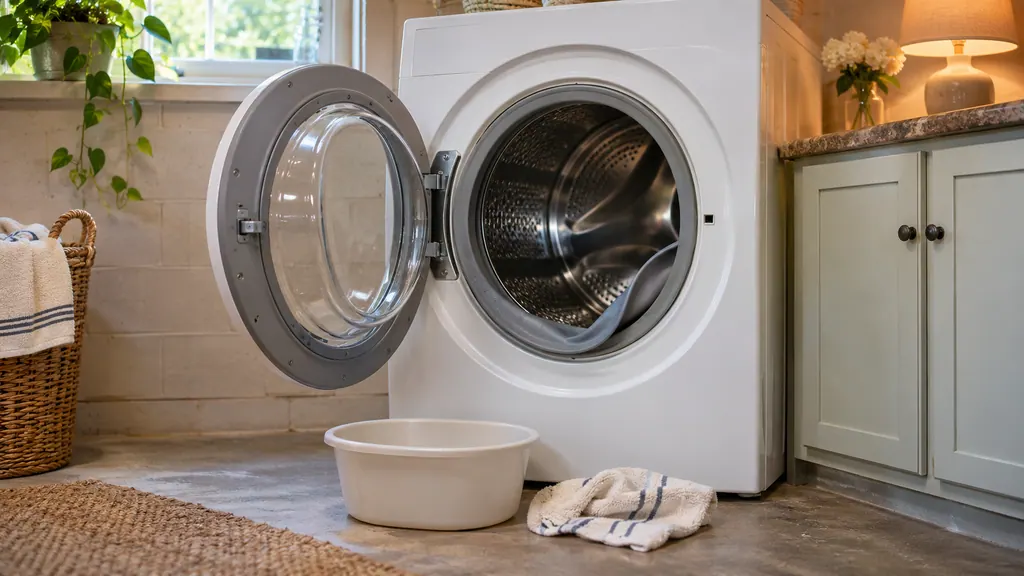
Musty front-load washer? Three monthly tasks fix most of it.
Each month, wipe the door seal with the diluted bleach mix, empty the drain pump filter, and leave the door ajar between loads. Check the two inlet filters when the washer fills slowly. All three tasks are in the 796 front-load guide, and each takes only a few minutes.
When observation becomes a service request.
Leave internal testing to a technician.
Water still appears with tight hoses, a secured drain hose and a clear house drain, or a hose or fitting looks cracked. Book a visit. If FE shows, close the faucets and unplug the washer first.
Arrange a diagnosticSources and model boundaries.
These sources back up the Kenmore washer leaking guidance. Read the manual that fits your model.
- Use & Care Guide, Kenmore front-load washers 796.4136/4146/4156
- Use & Care Guide, Kenmore top-load washer 796.2927
- Use & Care Guide, Kenmore Calypso top-load washers 110.2206/2408/2506/2508
Go by the instructions for your exact model. Check how we research these pages.
Where do Kenmore washer leaks usually start?
The guides point to the inlet hose connections, the drain hose and standpipe, a clogged house drain, and door glass residue. Find the wet spot before choosing a fix.
How deep should the drain hose go into the standpipe?
The 796 front-load guide says about 8 to 12 inches (20.3 to 30.5 cm), tied to the inlet hose or standpipe so it cannot slip out during draining.
When should I replace the fill hoses?
The Calypso and 110 front-load guides say after five years of use, sooner if you see bulges, kinks, cuts, wear or leaks. Note the date on the label.
What does FE mean?
On 796 washers, FE is a too-high water level. Shut the faucets, pull the plug, and arrange a visit instead of running it again.
Code, symptom, part or service
Link the message to what comes next.
FE
FE means the water level is too high, and the 796 guides tie it to a faulty water valve. Turn off both faucets, unplug and call for service. It is an urgent one: do not leave water flowing into the tub.
Kenmore washer not spinning
Start with what the display and the lid or door say. A Kenmore washer will not spin until the lid or door is latched, and an out-of-balance load, a slow drain or too many suds can each hold the spin back. Rebalance, check the drain, then book a visit.
Washer repair
Book a diagnostic for your model, carried out at the appliance.
Find your metro
Office details, and the access information to pass along.