On this page
- A new electric heating element may smell for the first cycle only. 1
- A clogged lint screen or a lint-clogged vent or hood is the guides' cause for a hot load. 12
- Plastic or foil vent, and anything oily or flammable in the drum, can cause fire. 13
- Do not run the dryer with a loose, damaged, blocked or missing lint screen. 2
- tE1 or tE2 on a 796 dryer means a temperature sensor failure; turn it off and call. 3
Why does my Kenmore dryer smell like it is burning?#
The Kenmore guides give only two harmless reasons: a new electric heating element on its first cycle, and fumes from paint, stain or varnish used near the dryer. A smell that lasts beyond those is not on their list, so stop the dryer and unplug it. 1
The unplugging part is our advice, not a line from a guide. The guides cover the odors above and the heat checks below, and none says to keep running a dryer that smells burnt.
If the dryer is new, the Elite HE guide says the new electric heating element may have an odor and it will be gone after the first cycle. 1
Paint, stain or varnish nearby#
If you have been painting, staining or varnishing where the dryer sits, ventilate the area. When the fumes are gone, rewash and dry the clothing. 1
Lint where it should not be#
The guides tie most heat problems to lint and airflow, not to a part. Lint left in the cabinet or the vent is what can smell hot, and that is why the checks below come before anything else. 12
- 1
- 2
- 3
- 4
- 5
What do the guides check when the load comes out too hot?#
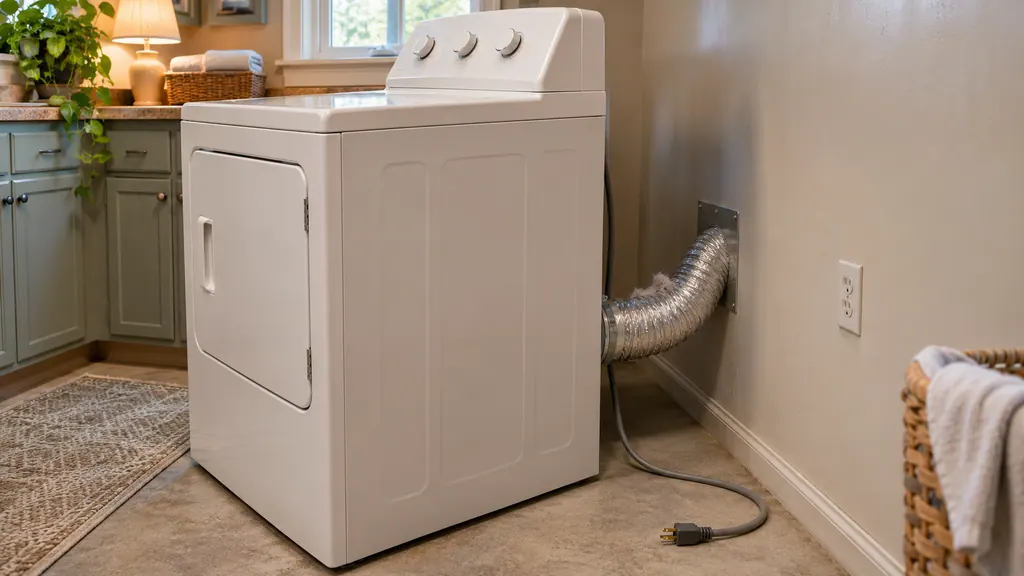
Two things: the lint screen and the airflow. The Elite HE guide lists "load is too hot" together with slow drying, and the fixes are a clean lint screen and a clear exhaust vent and outside hood. Hold a hand under the hood after 5 to 10 minutes. 12
If you feel no air at the hood, clean the exhaust system of lint or replace the vent with heavy metal or flexible metal vent. 12
More checks from the same page#
The same troubleshooting page lists a handful of installation and habit checks. Each one affects how well the dryer moves air, which is what keeps the heat from building up. 1
- Fabric softener sheets. Use only one sheet, and only once. Sheets can block the lint screen grille. 1
- Vent length. A vent that is too long or has too many turns lengthens drying. 1
- Vent diameter. Use 4 inch (10.2 cm) vent material. 1
- Closet installation. Closet doors need ventilation openings at the top and bottom, with at least 1 inch of air space in front of the dryer. 1
- Cold room. Dryer cycles need a room above 45°F. 12
The 796 dryers#
The 796 dryers watch their own exhaust. The guide describes a Check Vent light that watches the exhaust over several loads and blinks when the restriction is serious. It says the dryer can still run but you should have the exhaust cleaned or repaired right away.
If the display shows tE1 or tE2, that is a temperature sensor failure: turn the dryer off and arrange service. 3
Our airflow guide walks through the hand test and the vent chart in full, and our temperature sensor entry explains the part.
What should never go in a Kenmore dryer?#
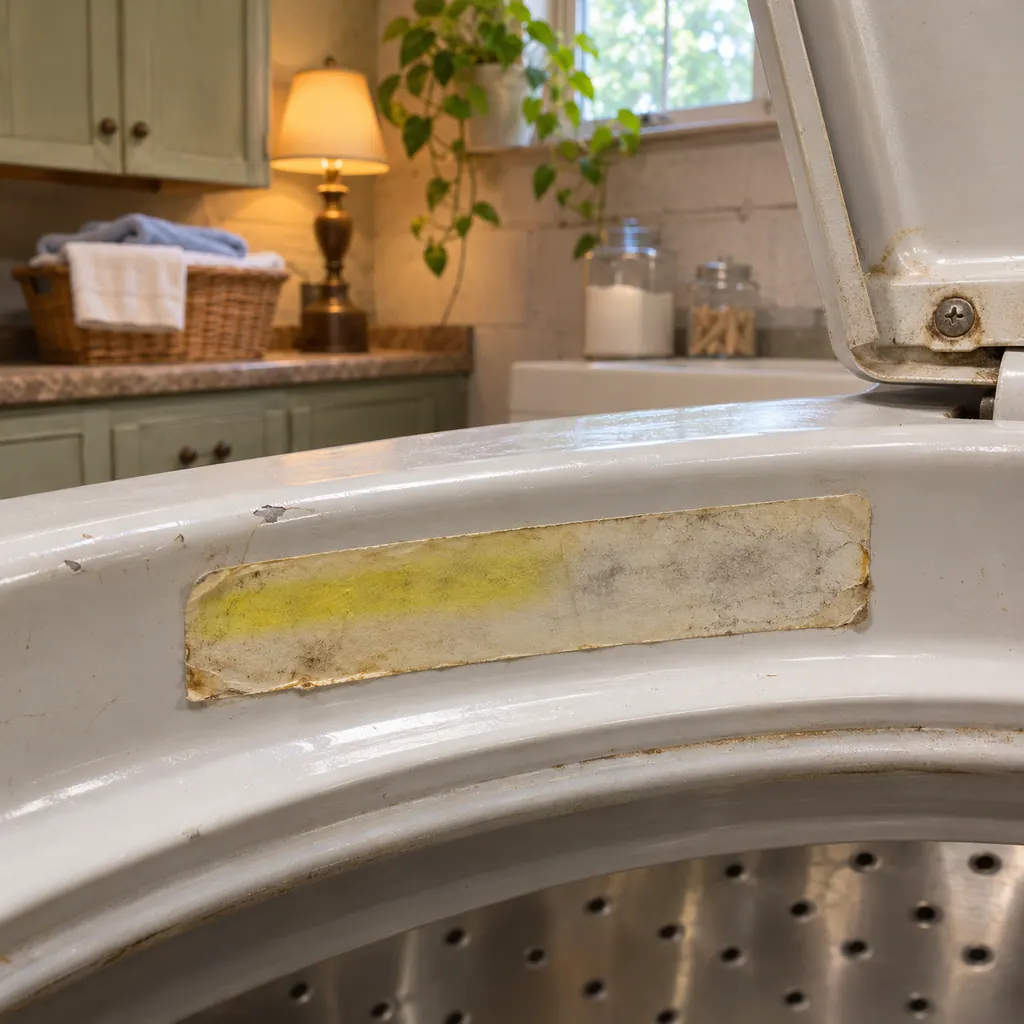
Anything that has ever had cooking oil or anything flammable on it, even after washing, and items with foam, rubber or plastic. The guides say these can cause fire. No washer can completely remove oil. 1
The Elite HE guide puts it this way: do not dry anything that has ever had any type of oil on it, including cooking oils. Items containing foam, rubber or plastic must be dried on a clothesline or by using an Air Cycle. 1
It also says not to dry articles cleaned, washed, soaked or spotted with gasoline, dry-cleaning solvents or other flammable or explosive substances, because their vapors can ignite or explode. 1
Why the order of checks matters#
Start with the free checks, the lint screen and the hood, because they cost nothing and cover the causes the guides name. Only then think about parts. A dryer that overheats because the vent is packed with lint will overheat again after any repair if the vent is left as it is. 12
Keep the area clear#
Keep flammable materials and vapors, such as gasoline, away from the dryer. For a garage installation, the guide says to place the dryer at least 18 inches (46 cm) above the floor. Keep the area around the exhaust opening free of lint, dust and dirt. 12
The guide adds that qualified service people should clean the inside of the dryer and the exhaust vent from time to time. Lint inside the cabinet is to be removed every 2 years or more often, by a qualified person. 12
When can I use the dryer again?#
When the lint screen is clean, the vent run is clear and metal, the hood passes the hand test and the smell was one of the two harmless kinds. If the smell returns, or you are unsure, leave the dryer unplugged and book a visit. 12
For a first-cycle element odor, the guide says the smell is gone after the first cycle, so the next one should be clean. For paint fumes, wait until the room has aired out and the fumes are gone before you rewash and dry the clothes. If you are not sure which kind of smell it was, treat it as the lasting kind and leave the dryer unplugged.
When should I book a technician?#
Book a visit if the smell comes back after the screen and the vent are clean, if you find no air at the hood and cannot clear it, if the vent is crushed or too long, if tE1 or tE2 shows, or if a code stays on the display. Leave the dryer unplugged until then. 13
You can book a visit, read about our dryer service or see the burning smell page. The technician agrees the price with you before any work starts. The exact cost is confirmed after the on-site diagnostic. If your unit is under the manufacturer's warranty, the manufacturer handles that repair. We give a warranty on our workmanship.
Sources#
- Use & Care Guide, Kenmore Elite HE electric dryer 110.8772Kenmore / Sears Roebuck · Document L0708325 (part W10136973A), no date printed · pp. 4 (Dryer Safety), 14 (Venting), 20 (Dryer Use: oil and flammables), 27 (Care), 28-29 (Troubleshooting)
- Use & Care Guide, Kenmore electric dryers 110.8756/8757/8758/8856/8857/8858Kenmore / Sears Roebuck · Document 1506245L (part W10035050C), no date printed · pp. 25-28 (Dryer Care, Troubleshooting)
- Use & Care Guide, Kenmore dryers 796.8128/9128/8118/9118Kenmore / Sears Brands · Document 1901122L (part MFL67731010), no date printed · pp. 14 (Venting), 26-27 (Maintenance, Check Vent), 31 (tE1/tE2)